Gudi Padwa and New Beginnings in Health: Understanding Arterial Blockages and the Role of Angioplasty
This Gudi Padwa, begin a healthier chapter by understanding arterial blockages and the role of angioplasty. Learn how blocked arteries develop, the symptoms to watch for, and how minimally invasive angioplasty can help restore healthy blood flow.
Dr Abhishek Bairy
3/19/20262 min read


🌸 Gudi Padwa & New Beginnings in Health
Just as Gudi Padwa marks the start of a new year and fresh possibilities, modern medicine offers new beginnings in health. Interventional Radiology, through procedures like angioplasty, can reopen blocked blood vessels — restoring circulation and helping patients return to healthier lives.
🩺 Who Is at Risk of Arterial Blockages?
Arterial blockages usually develop gradually due to atherosclerosis (fatty deposits inside blood vessels). Risk factors include:
Diabetes
High blood pressure
High cholesterol
Smoking
Family history of heart/vascular disease
Sedentary lifestyle or obesity
Increasing age
⚠️ When to Seek Medical Evaluation
If you have these risk factors and notice:
Leg pain while walking
Cold or numb feet
Slow-healing wounds
Unexplained abdominal pain after meals
…it’s important to consult a doctor early. Timely detection and treatments like angioplasty can prevent complications.
💡 How Balloon Angioplasty Works
Step 1: Blocked Artery
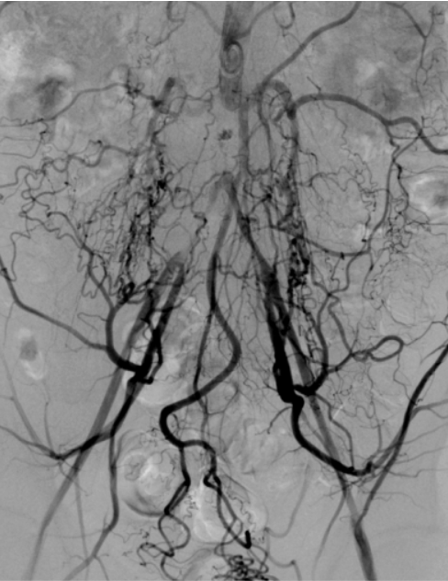
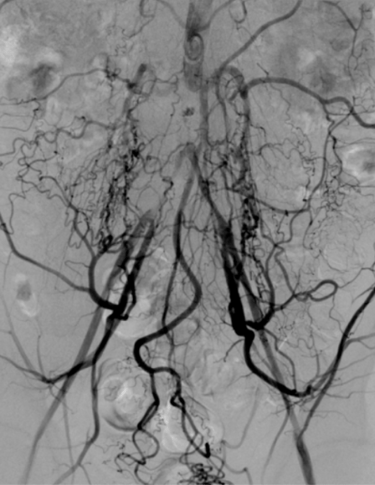
Plaque narrows arteries, reducing blood flow and causing symptoms like poor circulation or delayed wound healing.
Step 2: Procedure
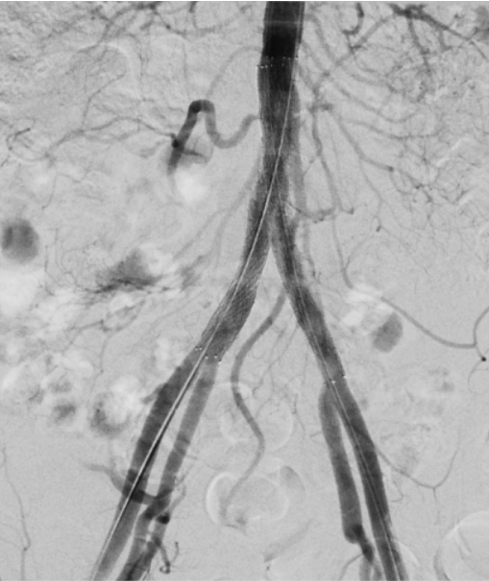
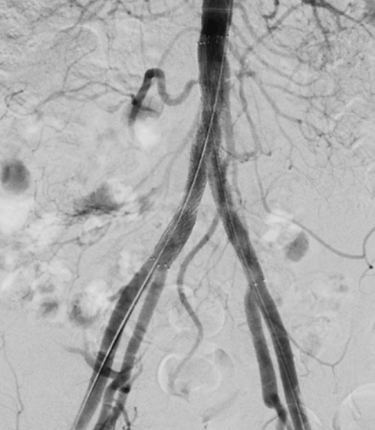
A catheter with a balloon is guided into the blocked artery. The balloon inflates, expanding the artery and restoring blood flow.
Step 3: Restored Circulation
✔ Improved blood flow
✔ Reduced symptoms
✔ Better tissue health
(Sometimes a stent is placed to keep the artery open.)
✅ Advantages of Angioplasty
Minimally invasive
Small puncture instead of surgery
Faster recovery
Short hospital stays.
🌼 Closing Note
This Gudi Padwa, let’s celebrate renewal, healing, and the promise of better health.
👉 Want to know if angioplasty can help you? Consult an Interventional Radiologist to explore your options.
Disclaimer: This article is intended for patient education and awareness only. Symptoms and treatment options vary from person to person. Please consult a qualified medical specialist for individualized medical advice, diagnosis, and treatment recommendations.