Interventional Radiology Services
Minimally invasive, image-guided treatments for vascular disease, cancer care, women’s health and emergencies.
Services Category Grid
🦵 Venous Disease & Thromboembolic Care
Minimally invasive, image-guided treatment for DVT, venous blockages, and chronic venous disease, aimed at restoring blood flow, relieving symptoms, and preventing life-threatening complications.
🦋 Interventions in Thyroid Nodules
Minimally invasive, image-guided treatments for benign thyroid nodules—designed to reduce symptoms, preserve thyroid function, and avoid surgery.
🚹 Male Urological Interventions (Non Surgical)
Minimally invasive, image-guided treatments for prostate and urinary conditions—effective relief without surgery.
👩 Women’s Health & Pelvic Interventions
Advanced, non-surgical treatments for common women’s health conditions using precise, image-guided techniques.
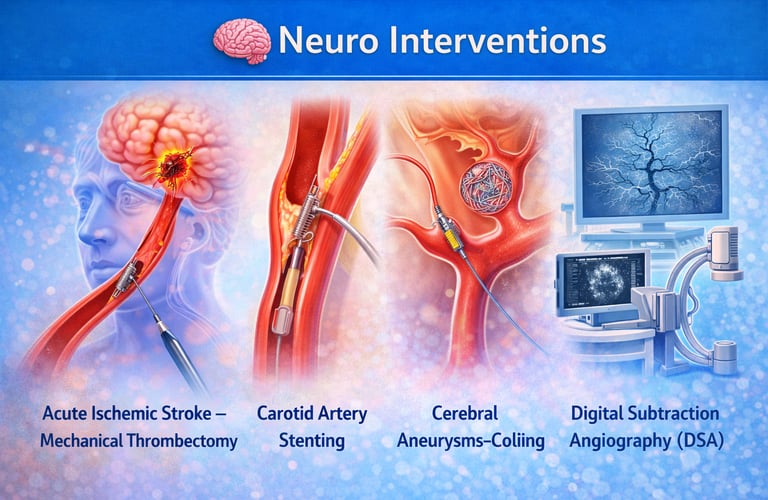
🧠 Neuro Interventions
Advanced, image-guided neurovascular procedures for stroke, aneurysms, and carotid disease—focused on precision and rapid recovery.
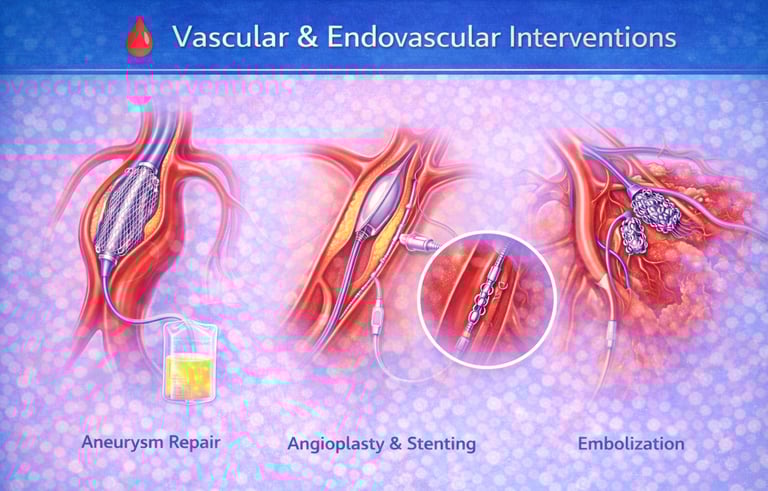
Minimally invasive, image-guided treatments for arterial and venous disorders with faster recovery and durable outcomes.
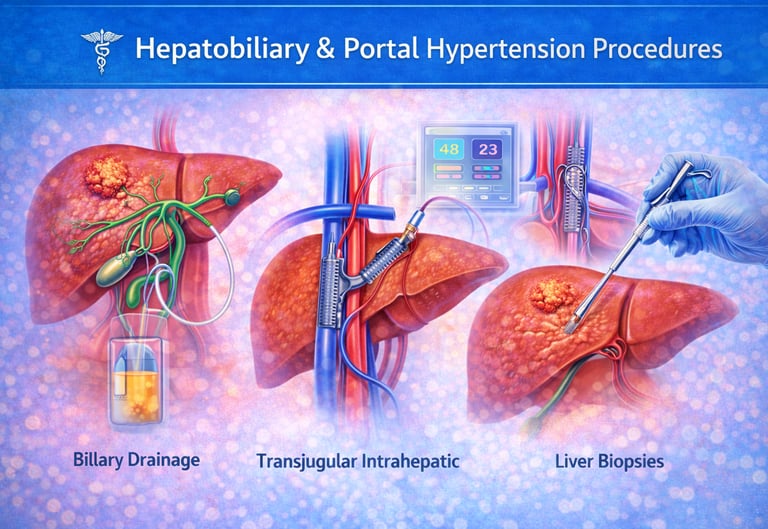
🧬 Hepatobiliary & Portal Hypertension Procedures
Image-guided, minimally invasive treatments for liver, bile duct, and portal venous disorders.
🎯 Tumour Directed & Oncology Interventions
Targeted, image-guided cancer treatments designed to control tumors while preserving healthy tissue.
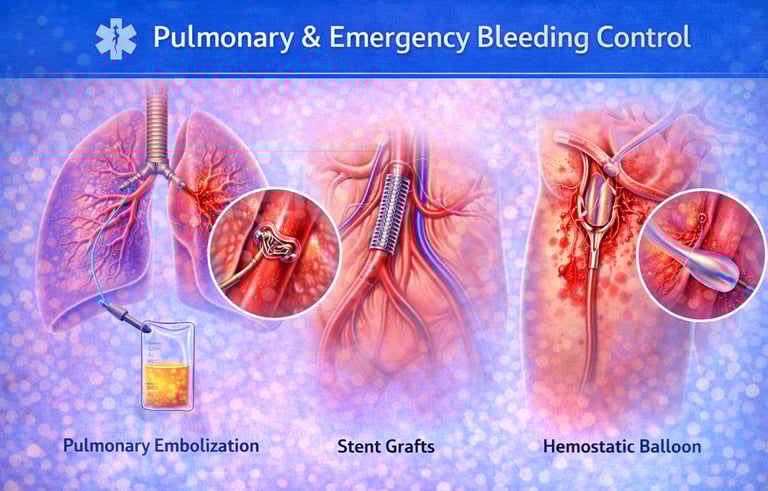
🚑 Pulmonary & Emergency Bleeding Control
Rapid, image-guided interventions to control bleeding and manage critical lung conditions.
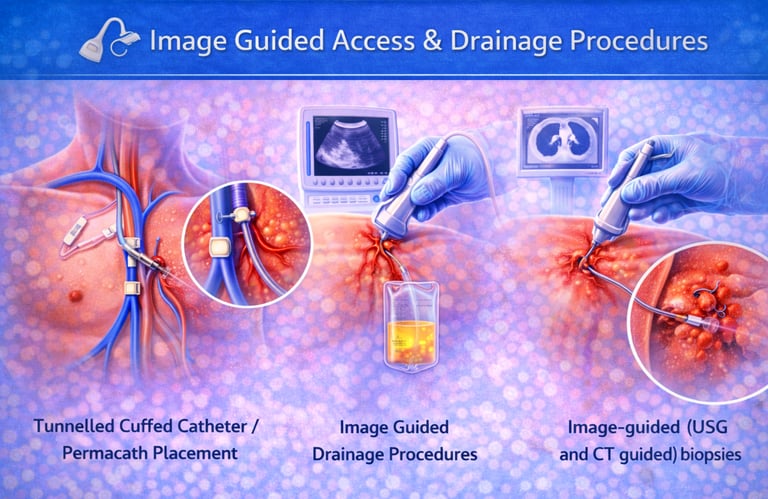
🧪 Image Guided Access & Drainage Procedures
Safe, image-guided procedures for precise access, drainage, and biopsy with minimal discomfort and faster recovery.
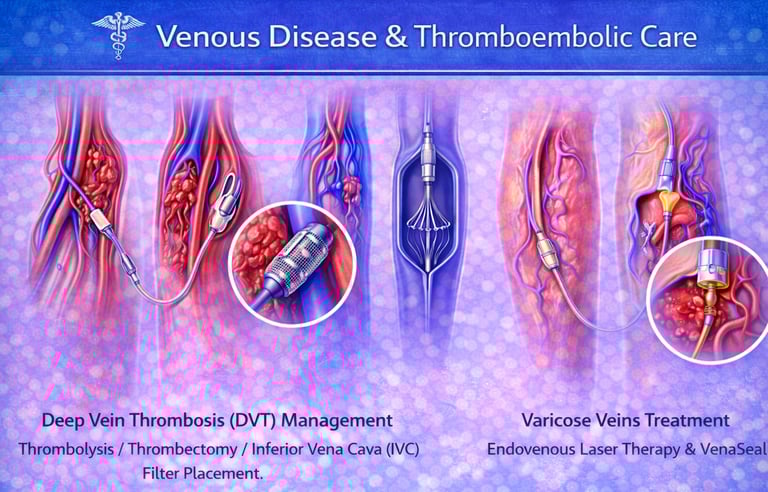
🦵 Venous Disease & Thromboembolic Care
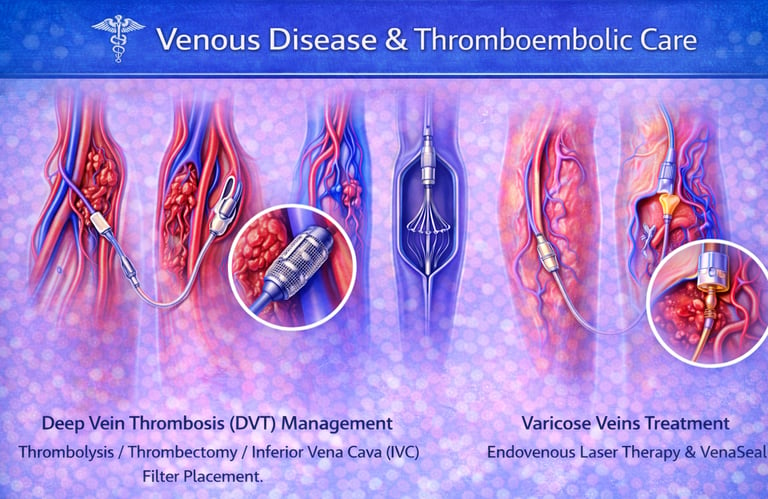
Targeted, image-guided treatment using thrombolysis or thrombectomy to remove clots and restore venous flow, with IVC filter placement when needed to prevent life-threatening pulmonary embolism.
Varicose Veins Treatment – Endovenous Laser Therapy & VenaSeal
Minimally invasive, catheter-based treatments that seal diseased veins, relieve pain and swelling, improve appearance, and allow quick return to normal activities without surgery.
Advanced, image-guided management of venous disorders and blood clots, including deep vein thrombosis and chronic venous insufficiency. These minimally invasive treatments restore healthy blood flow, relieve swelling and pain, prevent complications such as pulmonary embolism, and improve long-term vein function with faster recovery.
🦋 Interventions in Thyroid Nodules
Microwave Ablation of Thyroid Nodules
A precise, image-guided procedure that uses controlled heat to shrink benign thyroid nodules, relieving symptoms and cosmetic concerns while preserving normal thyroid tissue—without surgery or scars.
Thyroid Artery Embolization in Multinodular Goitre
A minimally invasive, image-guided treatment that reduces blood supply to enlarged thyroid nodules, leading to gradual shrinkage of the goitre, symptom relief, and preservation of thyroid function without surgery.
Advanced, minimally invasive, image-guided treatments for benign thyroid nodules designed to shrink nodules, relieve pressure symptoms, and improve cosmetic concerns. These procedures preserve normal thyroid function, avoid surgical scars, and offer faster recovery with minimal discomfort compared to conventional surgery.
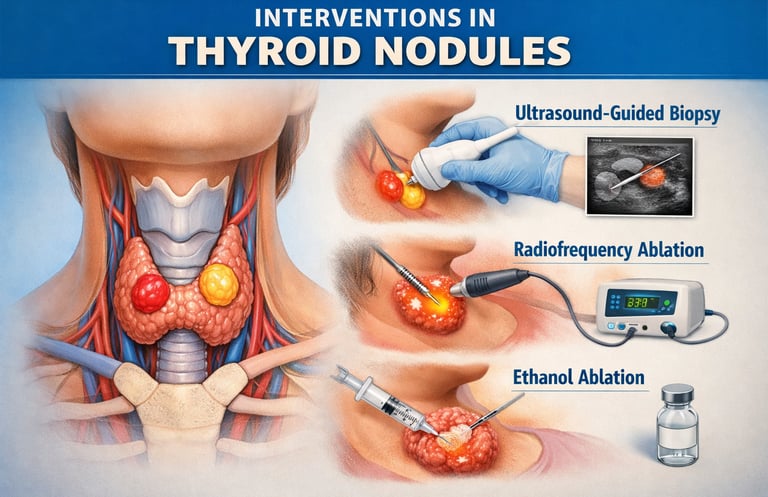
Fine Needle Aspiration Cytology (FNAC) of Thyroid Nodules
A safe, quick, image-guided diagnostic procedure that uses a thin needle to sample thyroid nodules, helping accurately determine their nature and guide appropriate treatment planning.
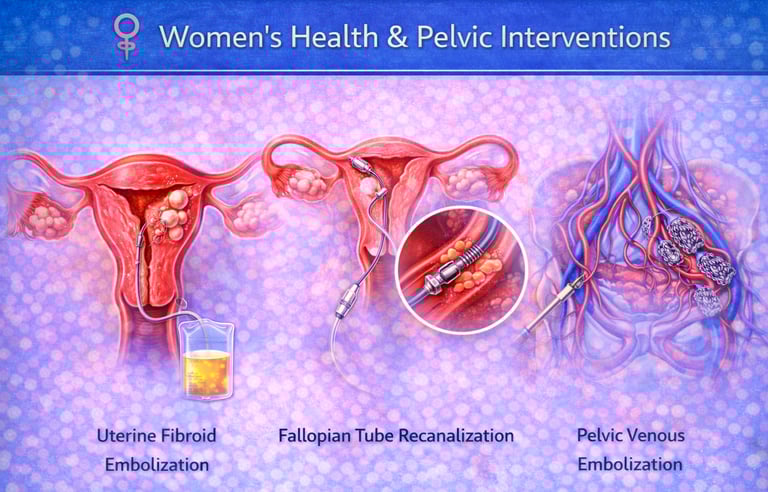
👩 Women’s Health & Pelvic Interventions
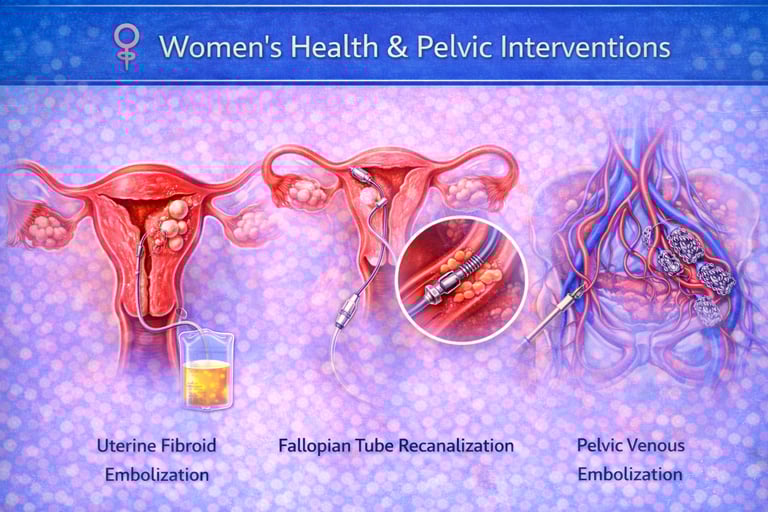
Uterine Fibroid Treatment
Minimally invasive, image-guided therapies to effectively shrink fibroids, reduce heavy menstrual bleeding and pelvic pain, and preserve the uterus—offering faster recovery and an alternative to surgery.
Arteriovenous Malformation (AVM) Embolization & Percutaneous Sclerotherapy for Pelvic Arteriovenous Malformations
Image-guided, minimally invasive treatments that block abnormal blood vessels and shrink malformations, relieving pain, bleeding, and pelvic symptoms while avoiding open surgery and promoting faster recovery.
Pelvic Congestion Syndrome – Chronic Pelvic Pain in Women
A minimally invasive, image-guided treatment that targets abnormal pelvic veins to relieve chronic pelvic pain, heaviness, and discomfort, improving quality of life without surgery.
Internal Iliac Artery Balloon Occlusion for Adherent Placenta
A preventive, image-guided technique used during high-risk deliveries to temporarily reduce pelvic blood flow, minimize severe bleeding, and improve maternal safety while preserving surgical control.
Advanced, minimally invasive, image-guided treatments for a wide range of gynecological and pelvic conditions. These procedures help control symptoms such as pain, heavy bleeding, and pelvic discomfort while preserving the uterus and ovaries, reducing hospital stay, and enabling faster recovery compared to conventional surgery.
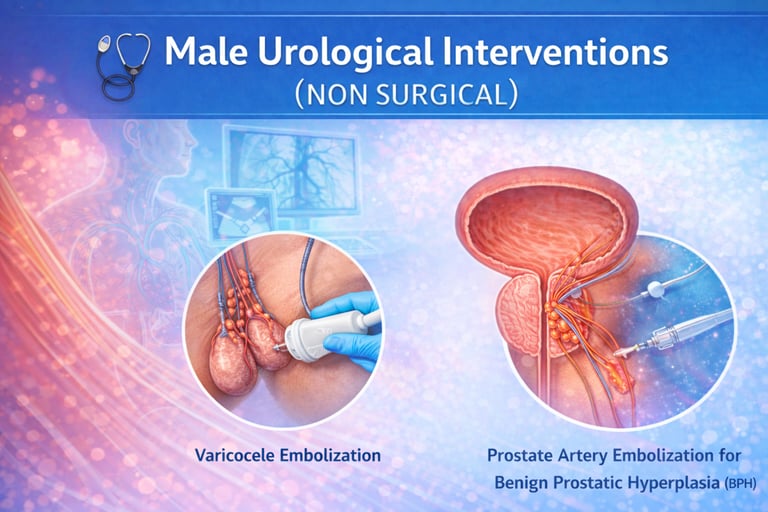
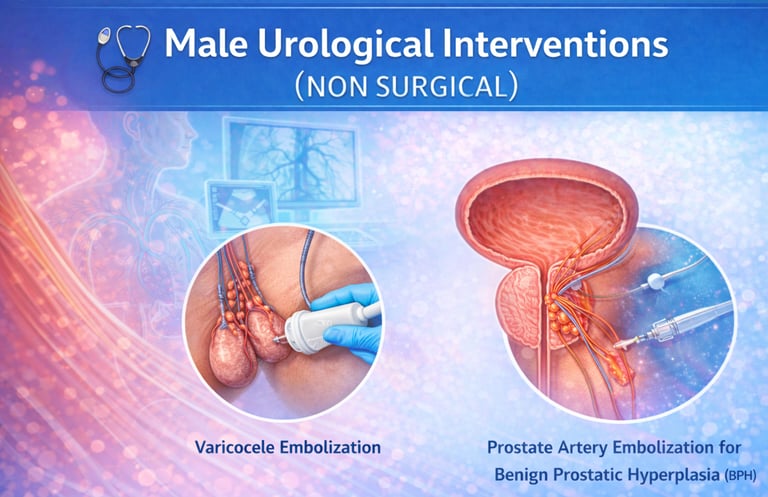
🚹 Male Urological Interventions (Non Surgical)
Varicocele Embolization (Minimally Invasive Treatment)
A safe, image-guided procedure that blocks abnormal testicular veins to relieve pain, reduce scrotal swelling, and improve sperm parameters, offering a non-surgical alternative with quick recovery and no incisions.
Prostate Artery Embolization for Benign Prostatic Hyperplasia (BPH)
A minimally invasive, image-guided treatment that reduces prostate blood supply, leading to prostate shrinkage and relief from urinary symptoms—without surgery, cutting, or sexual side effects, and with faster recovery.
Advanced, minimally invasive, image-guided treatments for common male urological conditions that avoid open surgery. These procedures are designed to relieve urinary symptoms, control bleeding, and improve quality of life while preserving organ function. With precise targeting, minimal discomfort, shorter hospital stay, and faster recovery, they offer safe and effective alternatives to conventional surgical approaches.
Angiograms & Venograms
High-precision imaging of arteries and veins using contrast and X-ray guidance to accurately diagnose blockages, narrowing, or abnormal blood flow and plan targeted treatment.
Peripheral Angioplasty in cases of Diabetic Foot
Minimally invasive restoration of blood flow in blocked leg arteries to promote wound healing, relieve pain, and help prevent amputations in patients with diabetic foot disease.
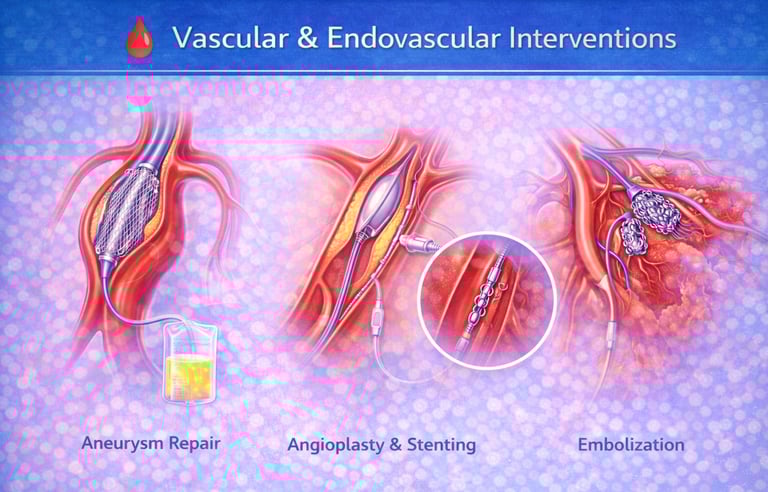
Aortic Stent-Graft Placement for Aortic Aneurysms
A minimally invasive endovascular procedure to reinforce weakened segments of the aorta, prevent rupture, and restore safe blood flow with faster recovery than open surgery.
Venoplasty / Fistuloplasty for Dialysis Fistula Dysfunction
Image-guided balloon dilation to relieve narrowing or blockage in dialysis fistulas, restoring optimal blood flow and prolonging access function.
Genicular Artery Embolization for Chronic Knee Osteoarthritis (OA)
A minimally invasive, image-guided treatment that reduces abnormal blood flow to inflamed knee tissues, helping relieve chronic pain and improve mobility without surgery.
Comprehensive, minimally invasive treatments for diseases of the arteries and veins using advanced image guidance. These procedures help restore blood flow, treat blockages, aneurysms, and vascular malformations, reduce pain and complications, and enable faster recovery with minimal risk compared to open surgery.
🧠 Neuro Interventions
Acute Ischemic Stroke – Mechanical Thrombectomy
A life-saving, image-guided emergency procedure to rapidly remove a clot from a blocked brain artery, restore blood flow, and limit brain damage—significantly improving chances of recovery when performed promptly.
A minimally invasive, image-guided procedure to open narrowed carotid arteries and restore blood flow to the brain, reducing the risk of stroke while avoiding open neck surgery and enabling faster recovery.
Advanced, minimally invasive, image-guided procedures for the diagnosis and treatment of disorders of the brain, spine, and blood vessels supplying the nervous system. These highly precise interventions address conditions such as stroke, aneurysms, vascular malformations, and intracranial bleeding, aiming to restore blood flow, prevent hemorrhage, reduce neurological damage, and improve outcomes with faster recovery and reduced risk compared to open neurosurgery.
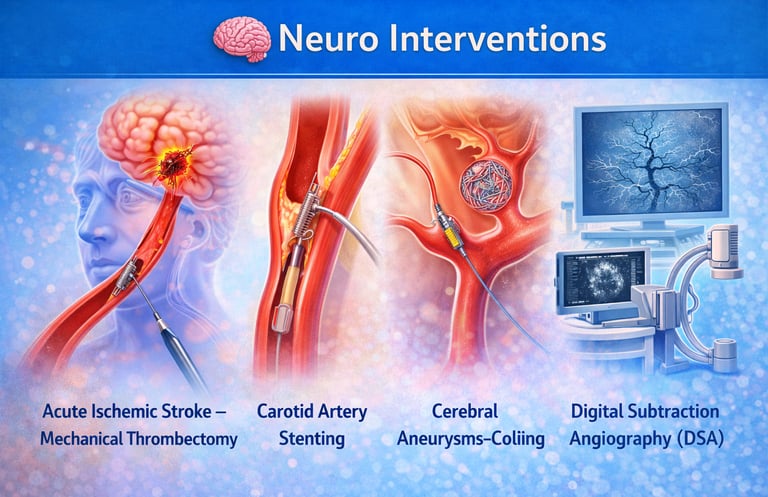
A minimally invasive, image-guided endovascular procedure that fills and seals brain aneurysms with tiny coils, preventing rupture or re-bleeding while avoiding open brain surgery and reducing recovery time.
Digital Subtraction Angiography (DSA)
A high-resolution, image-guided diagnostic procedure that visualizes blood vessels of the brain and body in real time, enabling precise detection of blockages, aneurysms, malformations, and guiding targeted endovascular treatment.
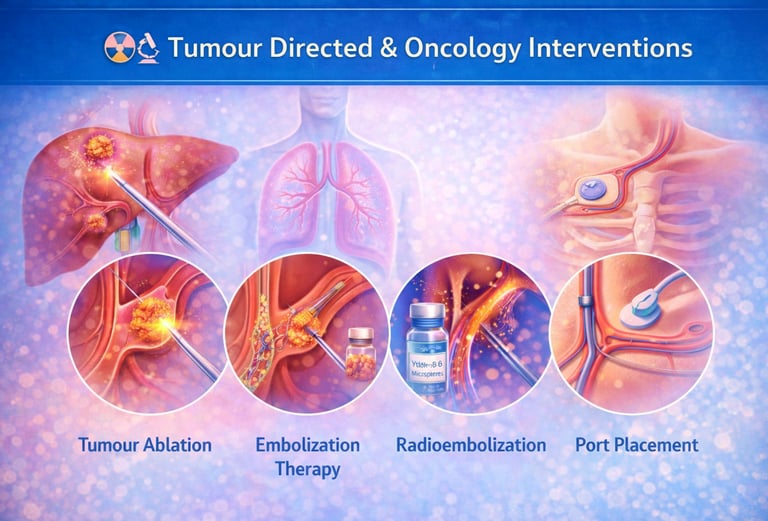
🎯 Tumour Directed & Oncology Interventions
Trans-arterial Chemo-Embolization (TACE) for Liver Tumours / Metastases
A targeted, image-guided cancer therapy that delivers chemotherapy directly into tumor-feeding arteries while blocking blood supply, helping shrink or control liver tumors and metastases while minimizing systemic side effects.
Radiofrequency Ablation (RFA) for Liver Tumours
A minimally invasive, image-guided treatment that uses controlled heat to destroy liver tumors, offering effective local tumor control while preserving healthy liver tissue and enabling faster recovery without surgery.
Advanced, minimally invasive, image-guided treatments designed to target tumors precisely while sparing healthy tissue. These interventions help control tumor growth, relieve symptoms, reduce bleeding, and improve quality of life—either as standalone therapies or in combination with surgery, chemotherapy, or radiation—offering effective cancer care with faster recovery and fewer side effects.
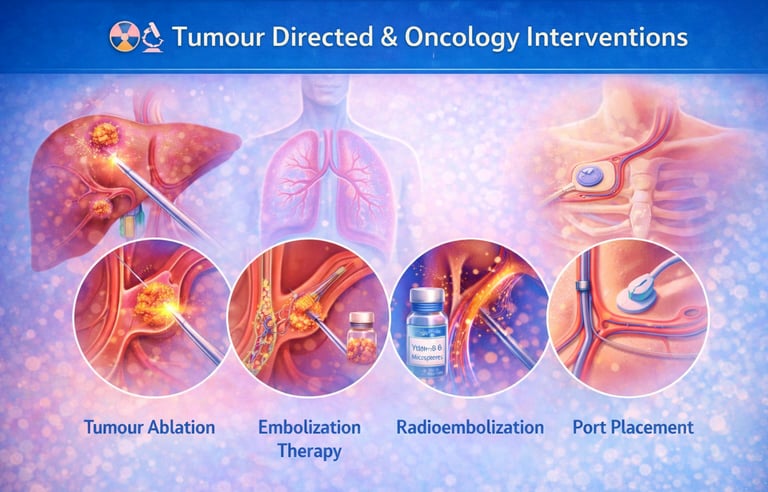
Safe, image-guided placement of long-term and short-term venous access devices to facilitate chemotherapy, medications, and blood sampling, improving comfort, reducing repeated needle sticks, and ensuring reliable vascular access.
🧬 Hepatobiliary & Portal Hypertension Procedures
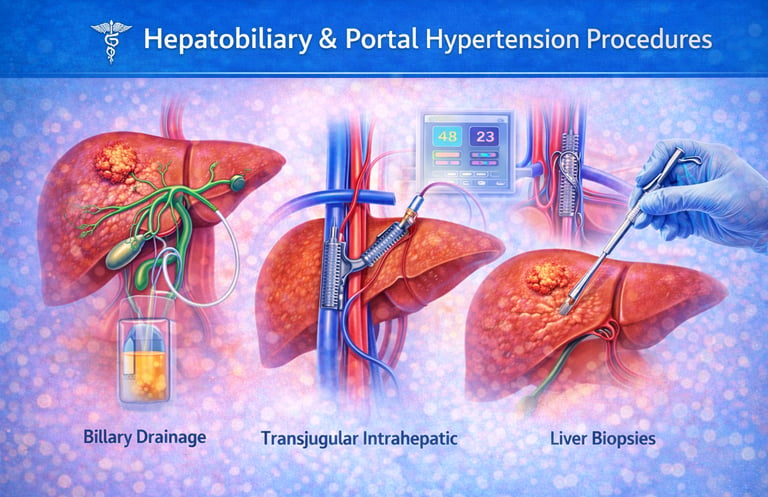
Minimally invasive, image-guided procedures to relieve bile duct obstruction, restore normal bile flow, and reduce jaundice—providing rapid symptom relief and an effective alternative to surgery.
Transjugular Intrahepatic Portosystemic Shunt (TIPS) & Direct Intrahepatic Portocaval Shunt (DIPS)
Advanced minimally invasive shunt procedures that reduce portal hypertension by diverting blood flow within the liver, effectively controlling variceal bleeding, refractory ascites, and related complications in patients with chronic liver disease.
Comprehensive, image-guided minimally invasive treatments for conditions affecting the liver, bile ducts, and portal venous system. These procedures help relieve biliary obstruction, control portal hypertension and variceal bleeding, manage ascites, and treat liver tumors—providing safe, effective alternatives to surgery with reduced risk, shorter hospital stay, and faster recovery.
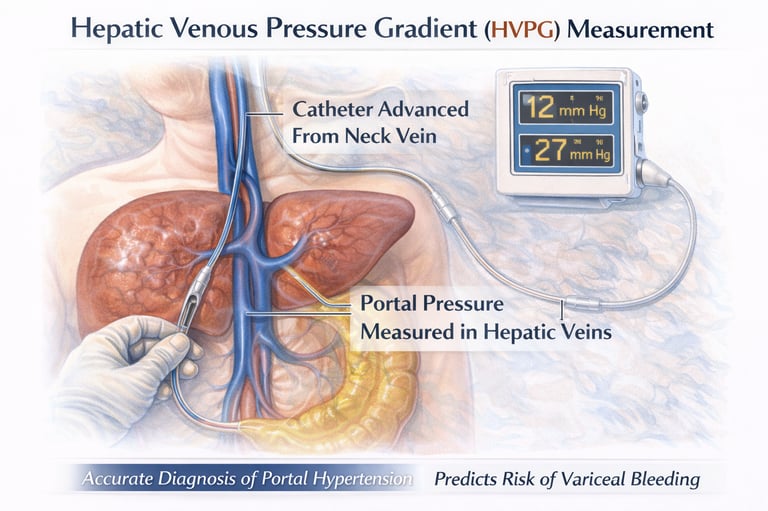
Hepatic Venous Pressure Gradient (HVPG) Measurement
A specialized catheter-based procedure that accurately measures portal pressure, helping assess the severity of portal hypertension, guide treatment decisions, and monitor response to therapy in chronic liver disease.
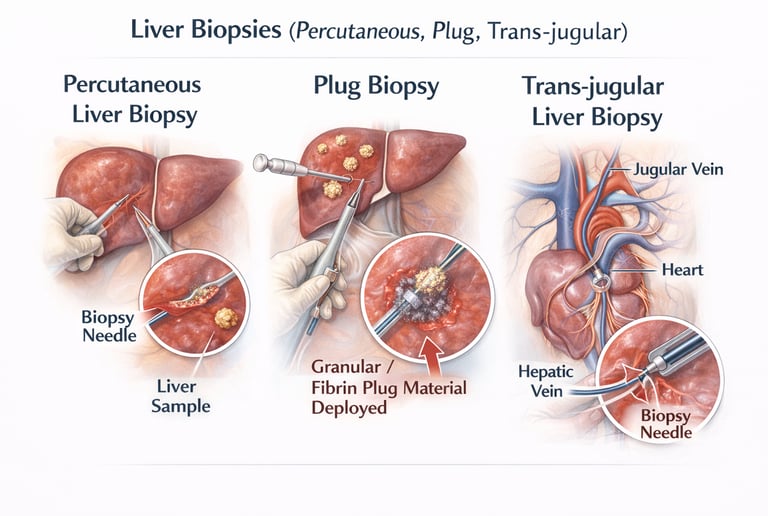
Liver Biopsies – Percutaneous, Plug, Transjugular
Image-guided liver biopsy techniques tailored to patient risk profiles, enabling safe and accurate tissue diagnosis of liver disease, even in patients with ascites or bleeding risk.
Minimally invasive endovascular procedures to relieve venous outflow obstruction of the liver and inferior vena cava, restoring normal blood flow and improving symptoms in conditions such as Budd–Chiari syndrome.
🚑 Pulmonary & Emergency Bleeding Control
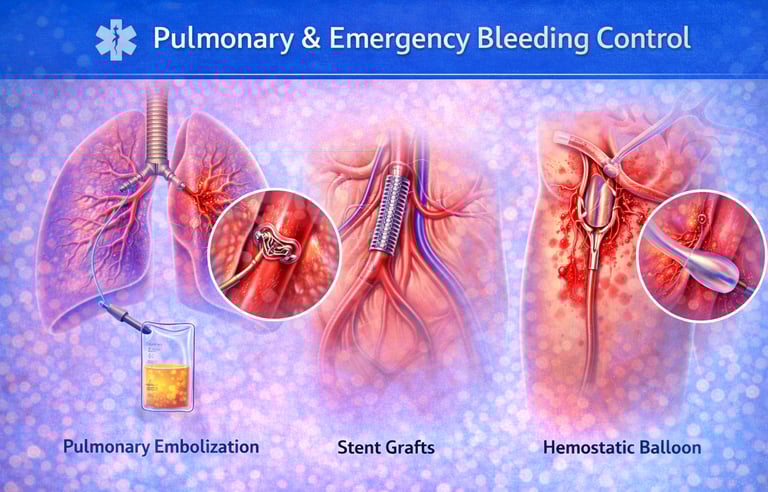
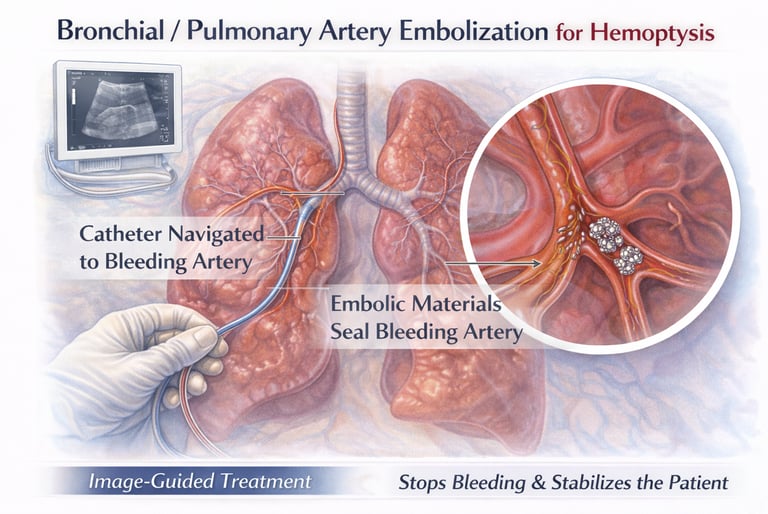
Bronchial / Pulmonary Artery Embolization in cases of Hemoptysis
A rapid, image-guided procedure to precisely block bleeding bronchial or pulmonary vessels, providing effective control of massive or recurrent hemoptysis while preserving lung function and avoiding emergency surgery.
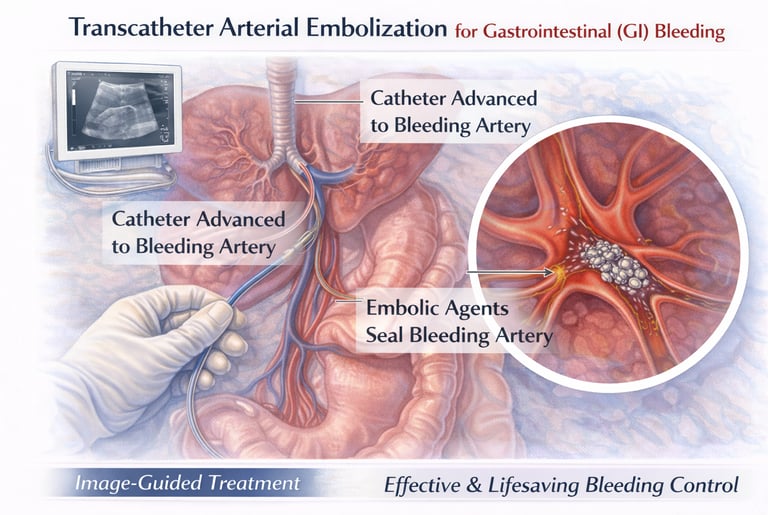
Transcatheter Arterial Embolization in Gastrointestinal (GI) Bleeding
A minimally invasive, image-guided procedure that precisely targets and seals bleeding vessels in the gastrointestinal tract, enabling rapid hemorrhage control, hemodynamic stabilization, and avoidance of high-risk emergency surgery.
Advanced, image-guided minimally invasive treatments for rapid control of acute, life-threatening bleeding involving the lungs and major blood vessels. These procedures effectively manage massive hemoptysis, trauma-related hemorrhage, post-surgical and tumour-related bleeding, as well as vascular injuries—providing swift stabilization, organ preservation, and a safe alternative to emergency surgery with improved patient outcomes.
🧪 Image Guided Access & Drainage Procedures
Tunneled Cuffed Catheter / Permacath Placement
A minimally invasive, image-guided procedure to establish reliable long-term venous access for dialysis or prolonged therapy, ensuring secure catheter positioning, reduced infection risk, and improved patient comfort.
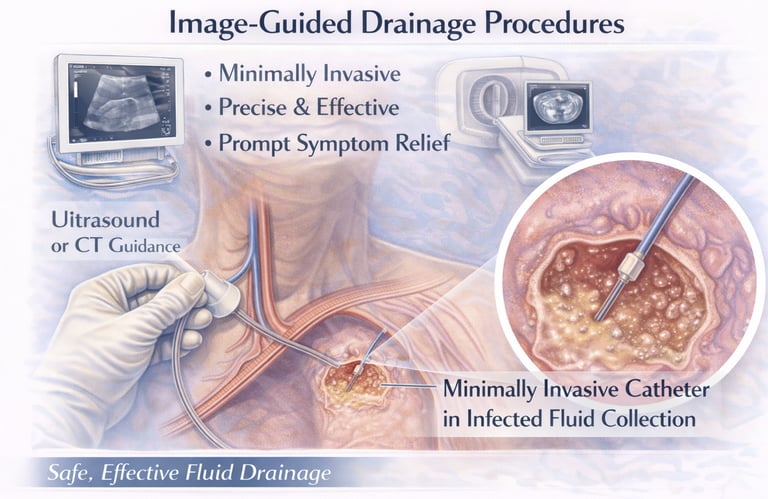
Image‑Guided Drainage Procedures
Minimally invasive, image-guided techniques to accurately drain abscesses and fluid collections, control infection, relieve symptoms, and promote faster recovery while avoiding open surgical intervention.
Safe, precise, minimally invasive procedures performed under ultrasound, CT, or fluoroscopic guidance to access deep-seated collections and body cavities. These interventions enable effective drainage of abscesses, fluid collections, and infected spaces, relieve symptoms, control infection, and often eliminate the need for open surgery with faster recovery and reduced complications.
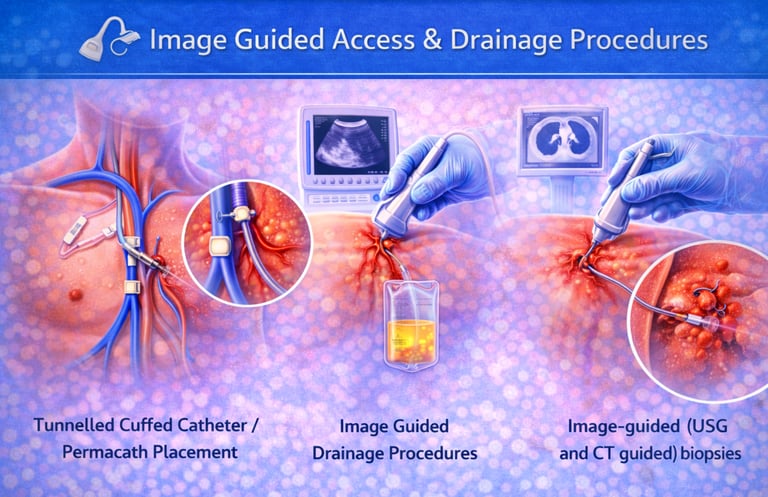
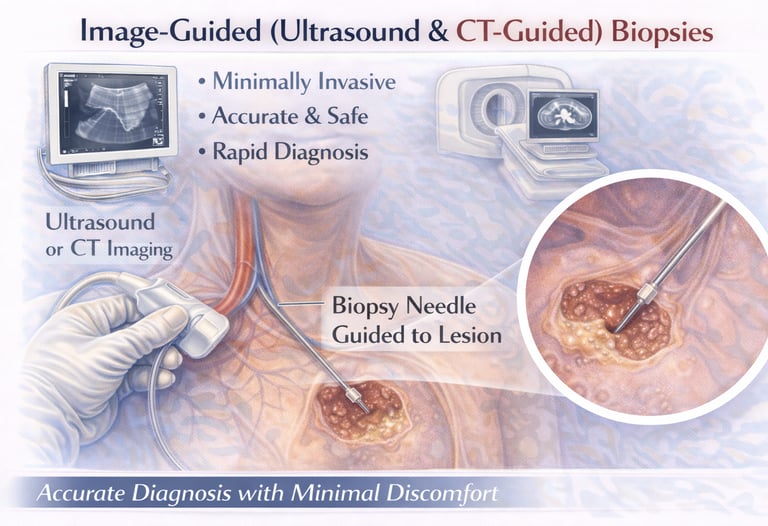
Image-guided (USG and CT guided) biopsies
Precise, minimally invasive biopsy procedures performed under ultrasound or CT guidance to safely obtain tissue samples from deep or difficult-to-reach lesions, ensuring accurate diagnosis with minimal discomfort and low complication risk.
🦵 Venous Disease & Thromboembolic Care
Advanced treatment for vein disease and clot-related conditions.
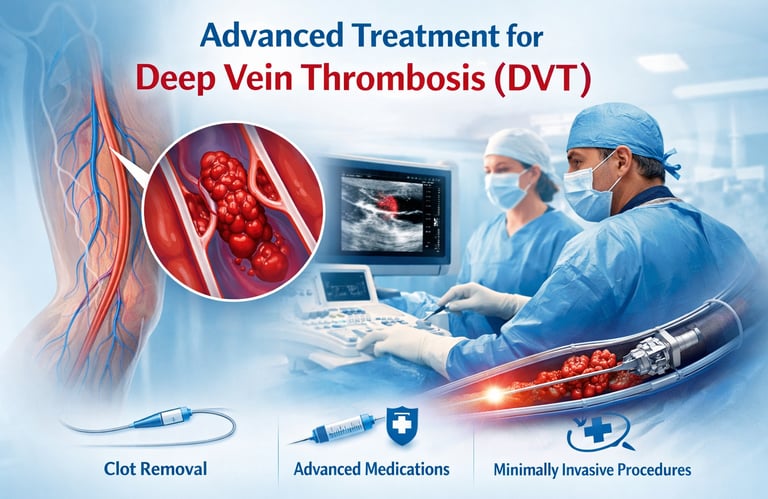
Advanced Treatment for Deep Vein Thrombosis (DVT)
DVT occurs when blood clots block veins in the legs. Most patients are treated with blood thinners to dissolve clots and prevent further blockages.
For patients with symptoms lasting 1–2 weeks, clots can be removed using a pinhole procedure called Catheter-Directed Thrombolysis and Mechanical Thrombectomy. This procedure uses ultrasound guidance to access blood vessels without incisions, restoring circulation effectively.
Best results are achieved when treated early.
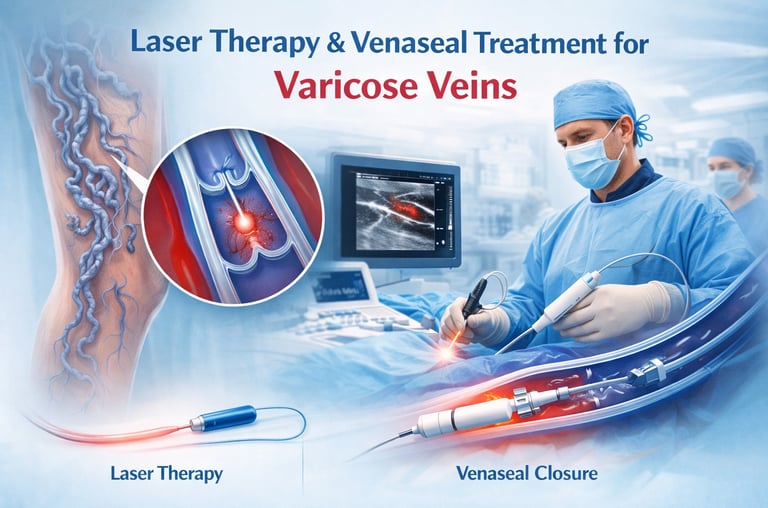
Laser Therapy & Venaseal Treatment for Varicose Veins
Varicose veins often occur due to prolonged standing. Initial management includes medications, lifestyle changes, and exercises.
For progressive symptoms, advanced treatments like Endovenous Laser Ablation (EVLA), Venaseal therapy, and Sclerotherapy are available.
Early discharge and quick recovery make these the preferred treatment options for symptomatic varicose veins
🦋 Interventions in Thyroid Nodules
Precision, non-surgical treatment of thyroid nodules.
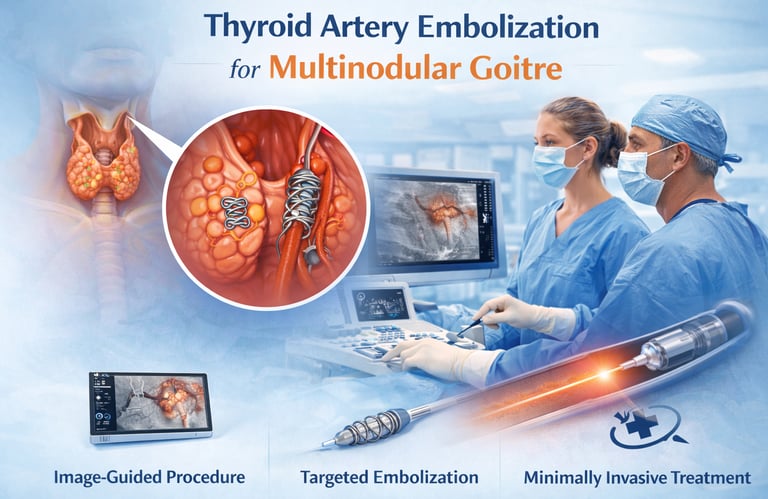
Thyroid Artery Embolization in Multinodular Goitre
An advanced, minimally invasive, image-guided treatment in which targeted embolization of thyroid arteries reduces blood flow to enlarged nodules. This leads to gradual shrinkage of the multinodular goitre, improvement in compressive and cosmetic symptoms, and preservation of surrounding structures—providing a safe and effective non-surgical alternative for patients who are high-risk for or unwilling to undergo surgery.
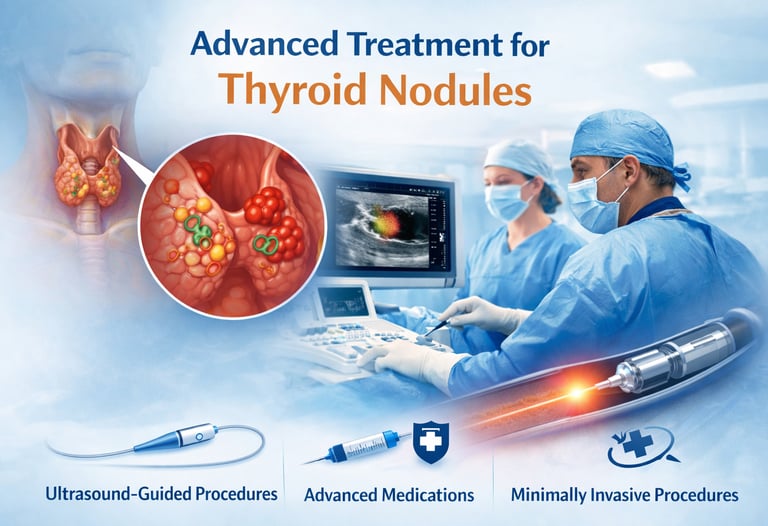
Advanced Treatment for Thyroid Nodules
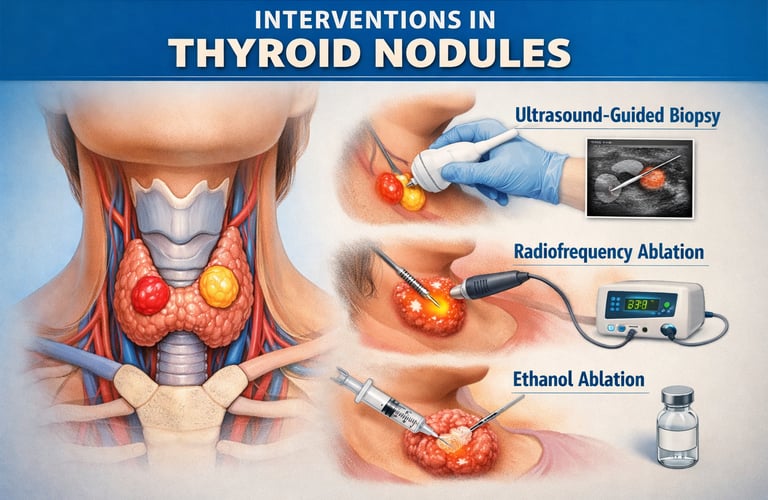
Thyroid nodules are lumps in the thyroid gland, most often benign. While many require only monitoring, some can cause discomfort, cosmetic concern, or hormonal imbalance. Traditionally treated with surgery, nodules can now be managed using scar-free, minimally invasive procedures like Thyroid Ablation.
Under ultrasound guidance, a fine needle delivers controlled energy to shrink the nodule while preserving healthy thyroid tissue. Recovery is quick, with no visible scar and minimal risk of complications. Best results are achieved when treated early.
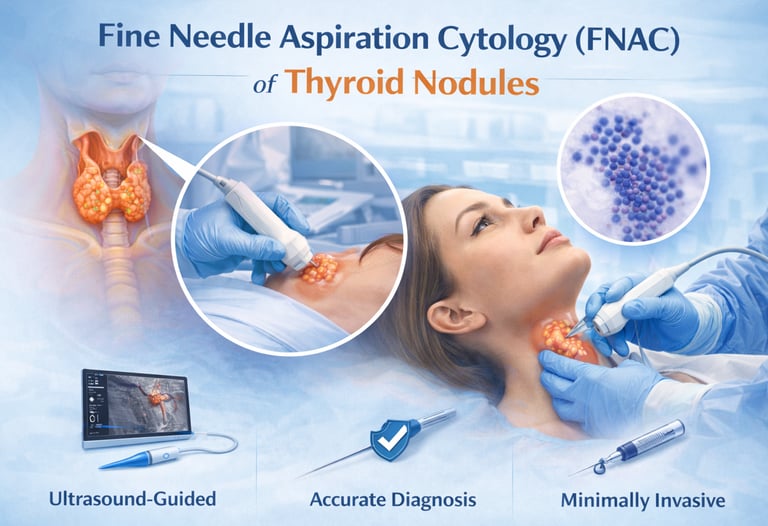
Fine Needle Aspiration Cytology (FNAC) of Thyroid Nodules
An accurate, minimally invasive diagnostic procedure performed under ultrasound guidance to sample cells from thyroid nodules. FNAC helps differentiate benign from malignant lesions, guides treatment planning, and reduces unnecessary surgery, while being quick, safe, and well tolerated with minimal discomfort.
👩 Women’s Health & Pelvic Interventions
Minimally invasive care for women’s pelvic health.
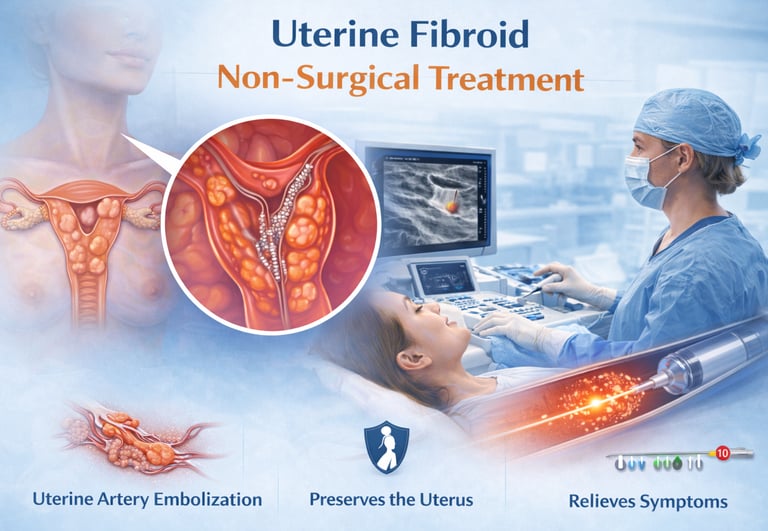
Uterine Fibroid Non Surgical Treatment
Uterine fibroids are non-cancerous growths in women that can cause symptoms such as prolonged menstrual bleeding, painful periods, and lower abdominal pain.
Uterine Fibroid Embolization (UFE) is a minimally invasive, scarless procedure that reduces blood supply to the fibroid using advanced endovascular techniques (through a blood vessel in the hand or leg).
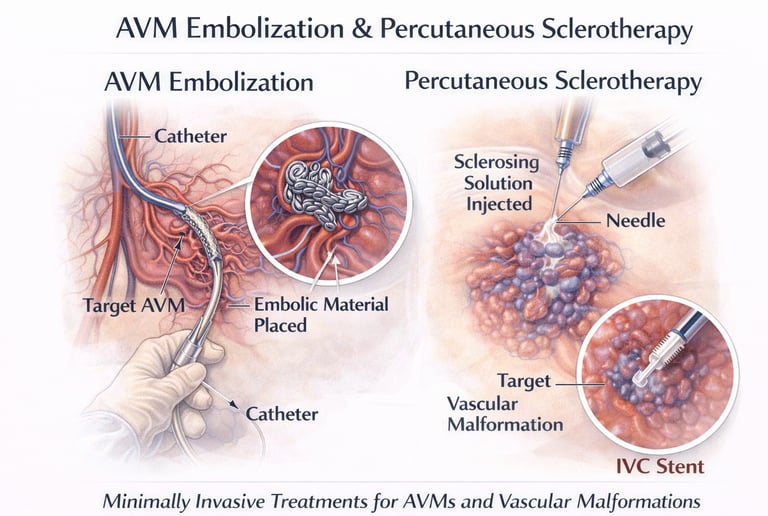
Arteriovenous malformations (AVMs) are abnormal connections between arteries and veins that can cause pain, swelling, bleeding, skin changes, or functional impairment depending on their location.
AVM embolization and percutaneous sclerotherapy are minimally invasive, image-guided treatments that block abnormal blood flow using embolic agents or sclerosing medications, helping reduce symptoms, control bleeding, and preserve surrounding healthy tissue without open surgery.
AVM Embolization & Percutaneous Sclerotherapy
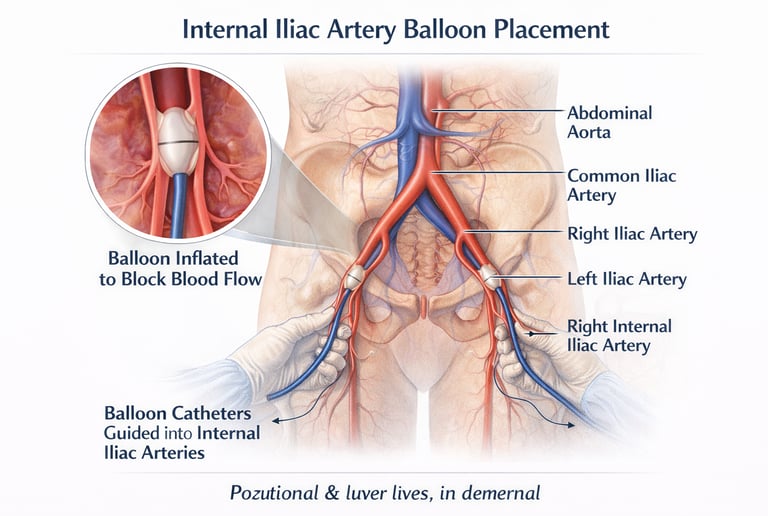
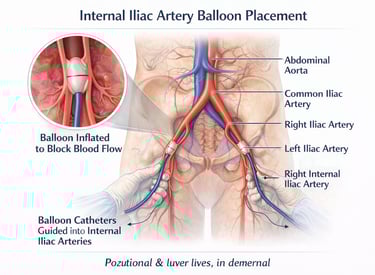
Internal Iliac Artery Balloon Placement
Internal iliac artery balloon placement is a preventive endovascular procedure used to control or reduce pelvic bleeding during high-risk surgeries or obstetric emergencies.
Using image guidance, temporary balloons are positioned within the internal iliac arteries via a small vascular access in the groin or arm. When inflated, they significantly reduce pelvic blood flow, helping minimize blood loss, improve surgical safety, and reduce the need for transfusions—without permanent vessel occlusion.
Pelvic Congestion Syndrome – Chronic Pelvic Pain in Women
Pelvic Congestion Syndrome is a common yet underdiagnosed cause of chronic pelvic pain in women, often due to dilated and incompetent pelvic veins leading to persistent heaviness, aching pain, and discomfort that worsens with standing or prolonged activity.
Minimally invasive pelvic vein embolization is performed under image guidance to seal the abnormal veins using coils or sclerosants. This scarless, day-care procedure relieves venous congestion, significantly reduces pain, and improves quality of life with rapid recovery.
🚹 Male Urological Interventions (Non Surgical)
Non-surgical care for male urological conditions.
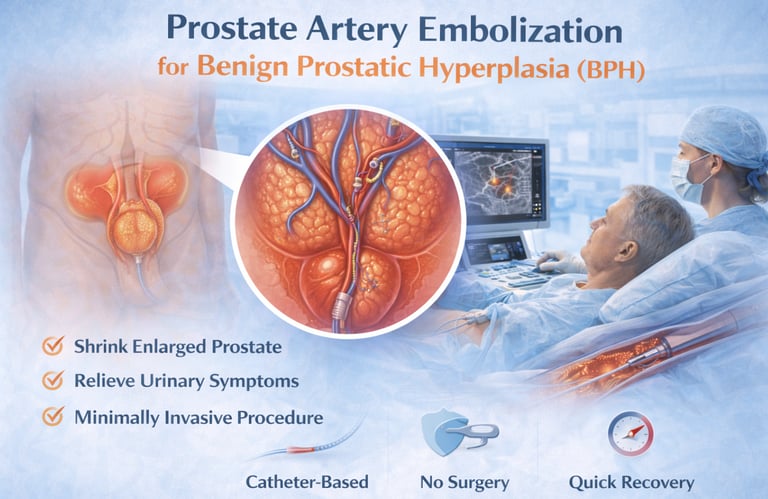
Prostate Artery Embolization for Benign Prostatic Hyperplasia (BPH)
Benign Prostatic Hyperplasia is a common age-related enlargement of the prostate that can cause troublesome urinary symptoms such as poor urine flow, frequent urination, nocturia, urgency, and incomplete bladder emptying, significantly affecting quality of life.
Prostate Artery Embolization is a minimally invasive, image-guided treatment in which the blood supply to the enlarged prostate is selectively reduced using tiny embolic particles. This leads to gradual shrinkage of the prostate, improvement in urinary symptoms, and relief without the need for surgery. Performed through a small arterial puncture in the wrist or groin, PAE is a scarless, day-care procedure with minimal pain, rapid recovery, preservation of sexual function, and is an excellent option for patients who are high-risk for surgery or wish to avoid invasive procedures.
Varicocele Embolization (Minimally Invasive Treatment)
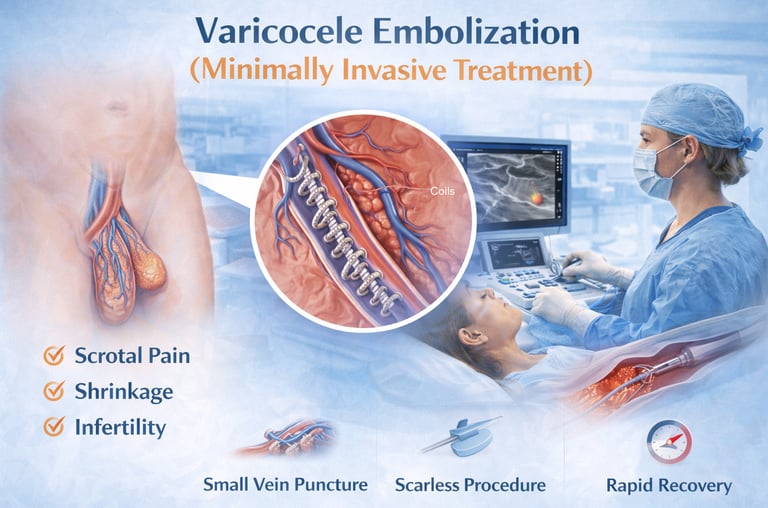
Varicocele is an abnormal dilatation of veins around the testis that can cause scrotal pain, heaviness, testicular shrinkage, and infertility due to impaired sperm quality. It is a common and treatable condition, particularly in young men and those undergoing infertility evaluation.
Varicocele embolization is a safe, minimally invasive, image-guided procedure performed through a small puncture in a vein in the neck or groin. Using coils or sclerosant agents, the abnormal veins are selectively blocked, allowing blood to reroute through healthy veins. This scarless procedure offers rapid recovery, minimal discomfort, high success rates, and excellent outcomes for pain relief and fertility improvement—without surgery.
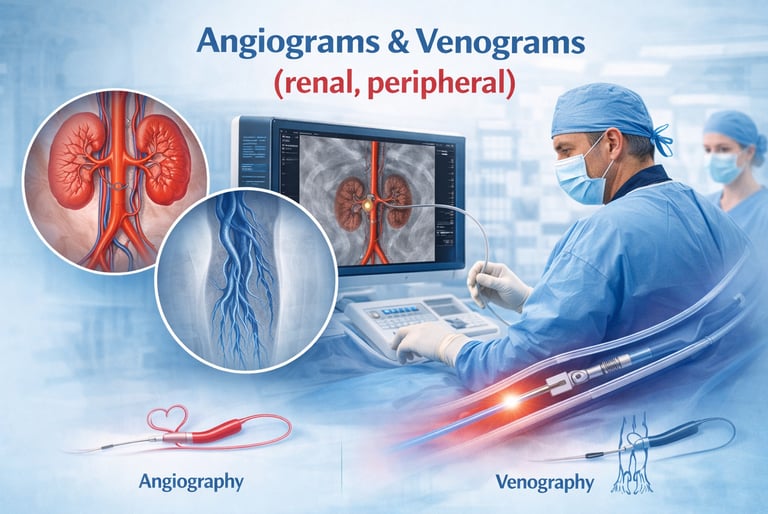
Angiograms & Venograms (renal, peripheral)
Angiograms and venograms are specialized, image-guided diagnostic procedures used to precisely evaluate arteries and veins of the renal and peripheral circulation.
By injecting contrast through a small catheter, these studies provide detailed visualization of blood flow, vessel narrowing, blockages, malformations, or thrombosis. They play a crucial role in accurate diagnosis, treatment planning, and guidance of endovascular interventions, while being minimally invasive, safe, and highly informative.
Peripheral Angioplasty & Stent Placement
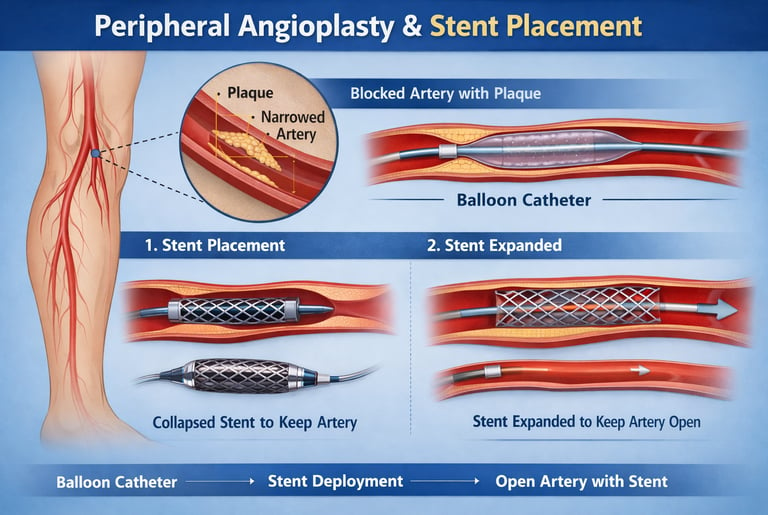
Peripheral arterial disease causes narrowing or blockage of blood vessels supplying the limbs, leading to pain, non-healing ulcers, and risk of limb loss.
Peripheral angioplasty and stent placement is a minimally invasive, image-guided procedure in which narrowed arteries are widened using balloon angioplasty and supported with stent deployment to restore blood flow. This treatment helps relieve symptoms, improve walking ability, promote wound healing, and prevent limb-threatening complications, offering faster recovery and reduced risk compared to surgery.
Precision endovascular care for complex vascular conditions.
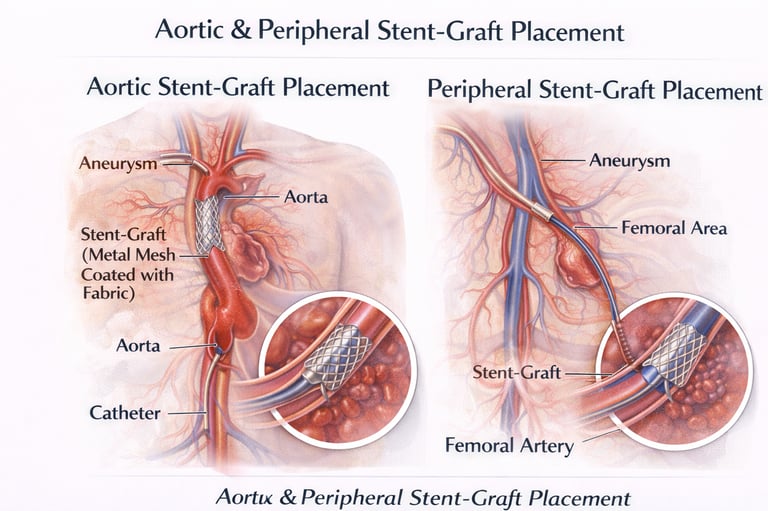
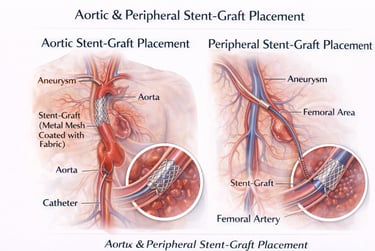
Aortic & Peripheral Stent-Graft Placement
Aortic and peripheral stent-graft placement is an advanced endovascular procedure used to treat aneurysms, dissections, traumatic injuries, and complex arterial diseases affecting the aorta and major peripheral vessels.
Using image guidance, a covered stent-graft is precisely delivered through a small puncture in the groin or arm to reinforce the weakened or damaged vessel wall, exclude aneurysms, and restore normal blood flow. This minimally invasive, non-surgical approach offers lower risk, reduced hospital stay, faster recovery, and effective long-term outcomes compared to open vascular surgery.
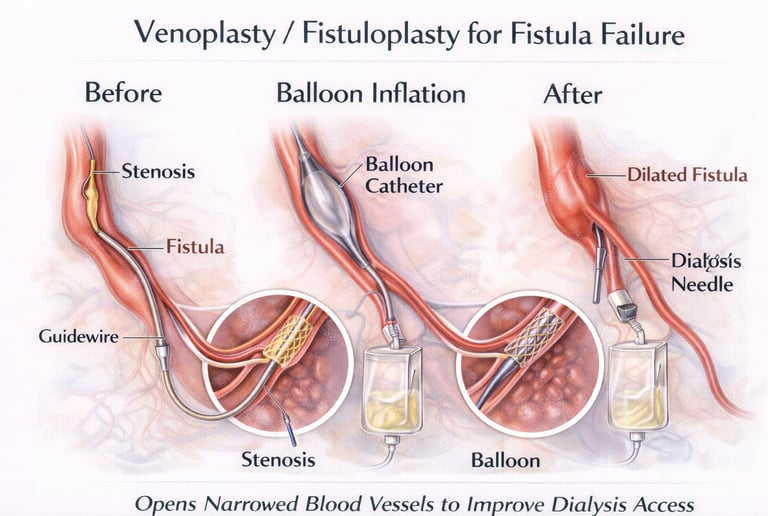
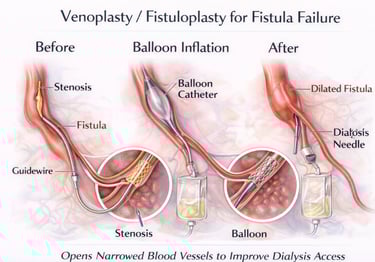
Venoplasty / Fistuloplasty for Fistula Failure
Venoplasty or fistuloplasty is a minimally invasive, image-guided procedure used to treat narrowing or blockage of arteriovenous fistulas in patients undergoing hemodialysis, which can lead to poor flow, difficult cannulation, or fistula failure.
Using balloon angioplasty, the narrowed segments of the fistula or draining veins are dilated to restore adequate blood flow and improve dialysis efficiency. This procedure helps salvage failing fistulas, prolong access life, reduce the need for surgical revision, and allows patients to continue dialysis with minimal downtime and rapid recovery.
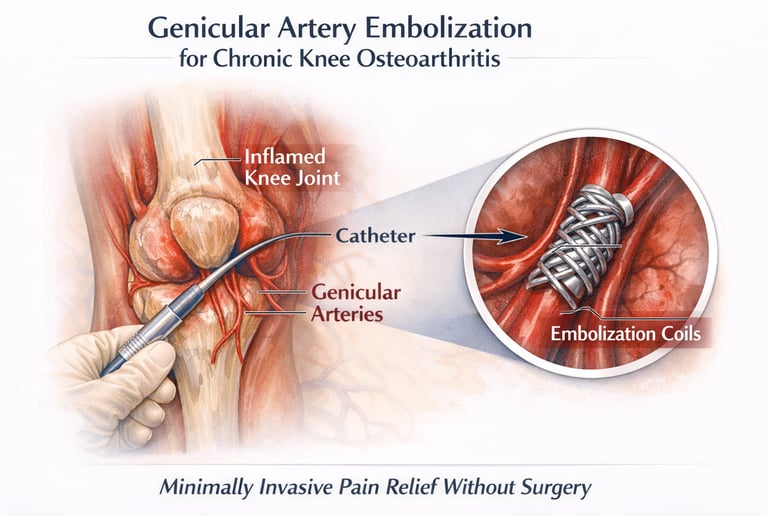
Genicular Artery Embolization for Chronic Knee Osteoarthritis (OA)
Chronic knee osteoarthritis is a degenerative joint condition that causes persistent pain, stiffness, swelling, and reduced mobility, often limiting daily activities and quality of life.
Genicular Artery Embolization is a minimally invasive, image-guided procedure that targets abnormal inflamed blood vessels around the knee responsible for pain. By selectively reducing this abnormal blood flow using tiny embolic particles, the procedure helps decrease inflammation, relieve pain, and improve joint function. GAE is a non-surgical option for patients who have persistent symptoms despite conservative treatment and wish to delay or avoid knee replacement surgery.
🧠 Neuro Interventions
Precision care for complex brain and spine conditions.
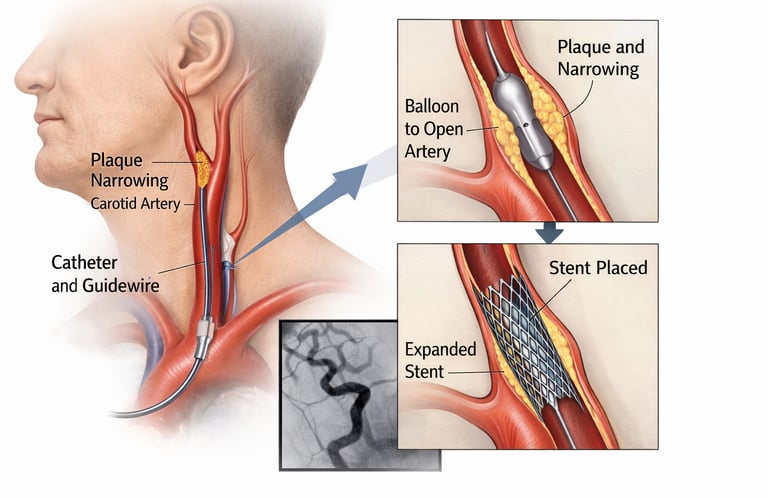
Carotid Artery Stenting
Carotid artery disease is caused by narrowing of the carotid arteries due to plaque buildup, increasing the risk of stroke and transient ischemic attacks (TIAs).
Carotid artery stenting is a minimally invasive, image-guided procedure in which a stent is placed to widen the narrowed artery and restore normal blood flow to the brain. This treatment helps reduce stroke risk, is especially beneficial for high-risk surgical patients, and offers faster recovery with less discomfort compared to open surgery.
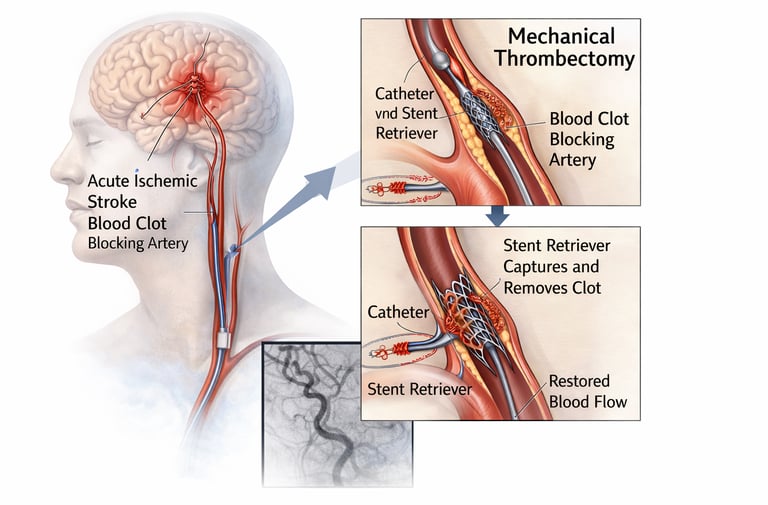
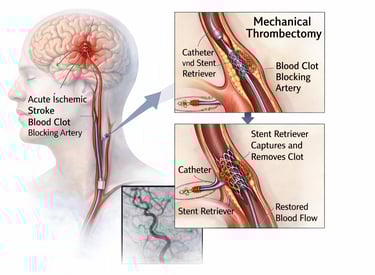
Acute ischemic stroke occurs when a blood clot blocks a major artery supplying the brain, leading to sudden neurological deficits and potential permanent disability if not treated urgently.
Mechanical thrombectomy is a life-saving, minimally invasive, image-guided procedure in which the clot is rapidly removed using specialized catheters and devices. By restoring blood flow to the brain, this treatment can significantly reduce brain damage, improve recovery, and enhance functional outcomes when performed promptly—often in combination with clot-dissolving medication.
Mechanical Thrombectomy for Acute Ischemic Stroke
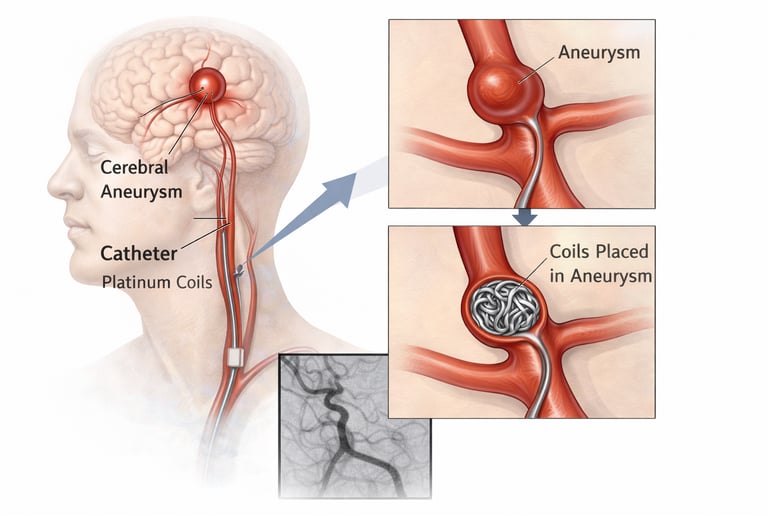
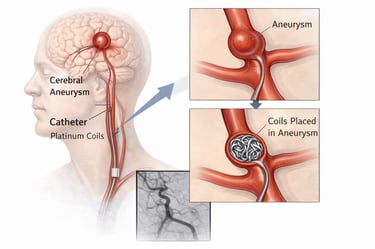
Cerebral aneurysms are abnormal balloon-like dilatations of brain arteries that carry a risk of rupture and life-threatening brain hemorrhage.
Endovascular coiling is a minimally invasive, image-guided procedure in which soft platinum coils are placed within the aneurysm through a catheter to block blood flow and prevent rupture. This treatment provides effective protection against bleeding, avoids open brain surgery, and offers faster recovery with reduced procedural risk compared to surgical clipping.
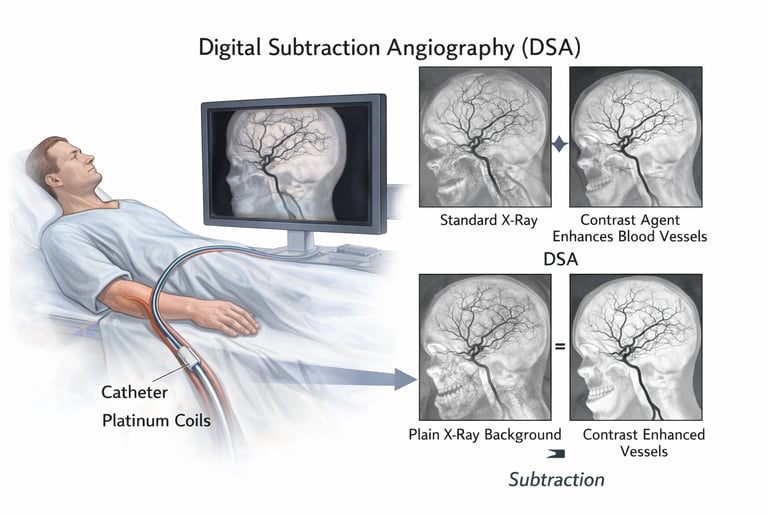
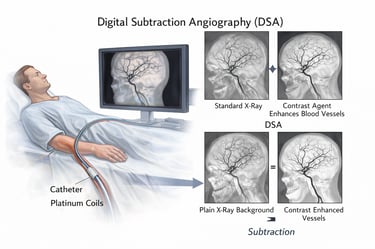
Digital Subtraction Angiography (DSA)
Digital Subtraction Angiography is an advanced, image-guided diagnostic technique used to obtain highly detailed images of blood vessels by subtracting background structures from contrast-enhanced images.
DSA allows precise evaluation of arterial and venous anatomy, blockages, aneurysms, vascular malformations, and active bleeding. It is essential for accurate diagnosis, treatment planning, and real-time guidance of endovascular interventions, offering high precision with minimal invasiveness.
Cerebral Aneurysms Coiling
🎯 Tumour Directed & Oncology Interventions
Cancer and tumour‑focused therapies.
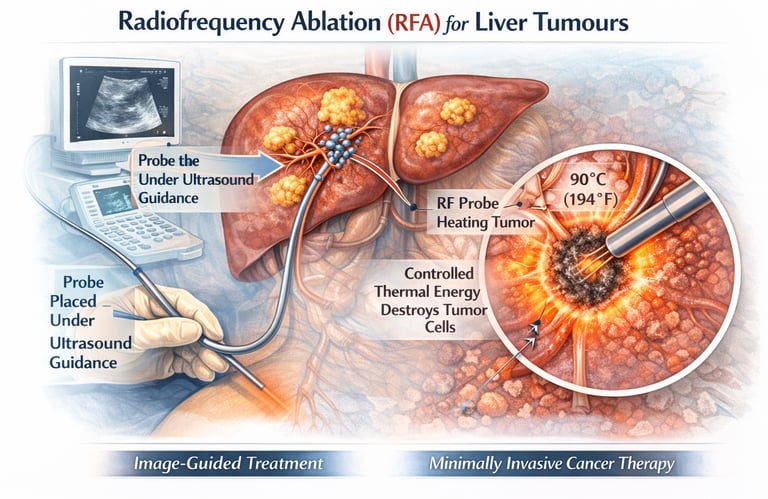
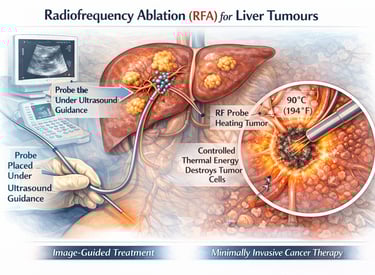
Radiofrequency Ablation (RFA) for Liver Tumours
Small liver tumours can often be treated effectively by destroying cancer cells directly while preserving healthy surrounding liver tissue.
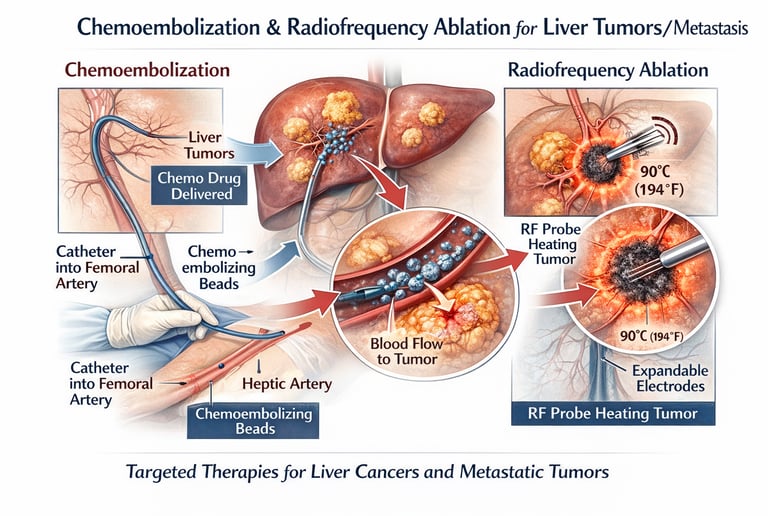
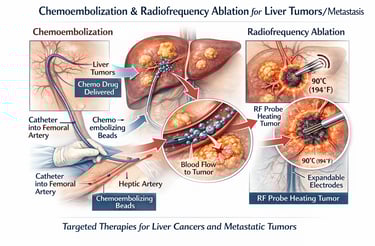
Radiofrequency Ablation (RFA) is a minimally invasive, image-guided procedure in which a thin needle-like probe is precisely placed into the tumour under ultrasound or CT guidance. Controlled high-frequency electrical energy is then delivered through the probe, generating heat that destroys tumour cells from within.
This targeted treatment helps eliminate small liver tumours, spares normal liver tissue, can be performed without major surgery, and offers shorter hospital stay, faster recovery, and reduced procedural risk, making it an effective option for patients who may not be suitable for surgical resection.
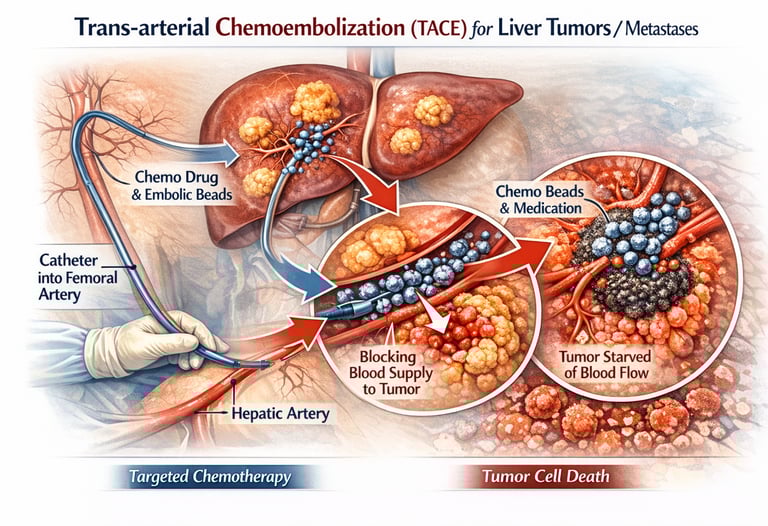
Trans-arterial Chemo-Embolization (TACE) for Liver Tumours/Metastases
Liver tumours and metastases receive most of their blood supply from the hepatic arteries, allowing highly targeted treatment through the vascular system.
Trans-arterial Chemo-Embolization (TACE) is a minimally invasive, image-guided procedure in which a catheter is navigated through the arteries directly to the blood vessels feeding the tumour. A combination of anti-cancer medication and embolic agents is then delivered to block the tumour’s blood supply while simultaneously delivering high-dose chemotherapy locally.
This targeted approach helps shrink or control liver tumours, limits damage to healthy liver tissue, reduces systemic side effects compared to conventional chemotherapy, and avoids the need for major surgery, resulting in quicker recovery and improved quality of life.
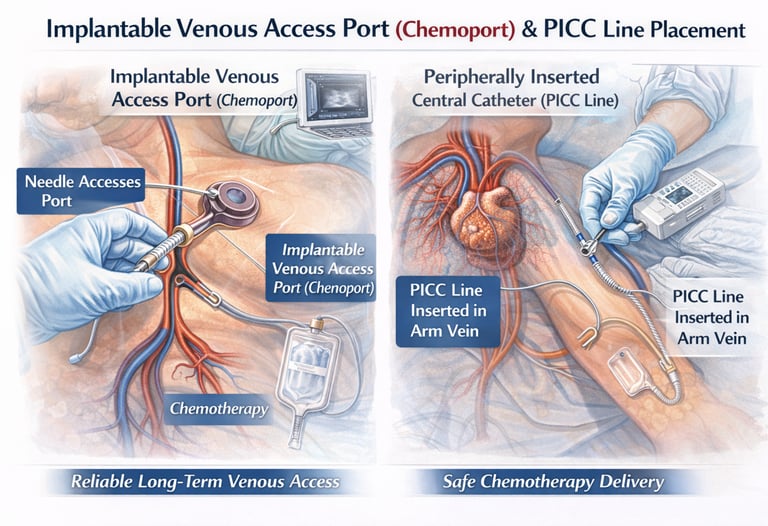
Implantable Venous Access Port (Chemoport) Placement & Peripherally Inserted Central Catheter (PICC) Line Placement
Patients undergoing chemotherapy or long-term intravenous treatments often require reliable, safe, and repeated venous access to avoid frequent needle punctures and vein damage.
Implantable Venous Access Ports (Chemoports) and Peripherally Inserted Central Catheters (PICC lines) are minimally invasive, image-guided vascular access devices placed into large central veins under ultrasound and fluoroscopic guidance. These devices allow secure delivery of chemotherapy, medications, blood products, and nutrition while reducing discomfort and complications associated with repeated injections.
This approach improves patient comfort, reduces infection and vein injury risk, ensures accurate and efficient drug delivery, and supports long-term treatment with minimal disruption to daily activities, making it an essential component of modern cancer care.
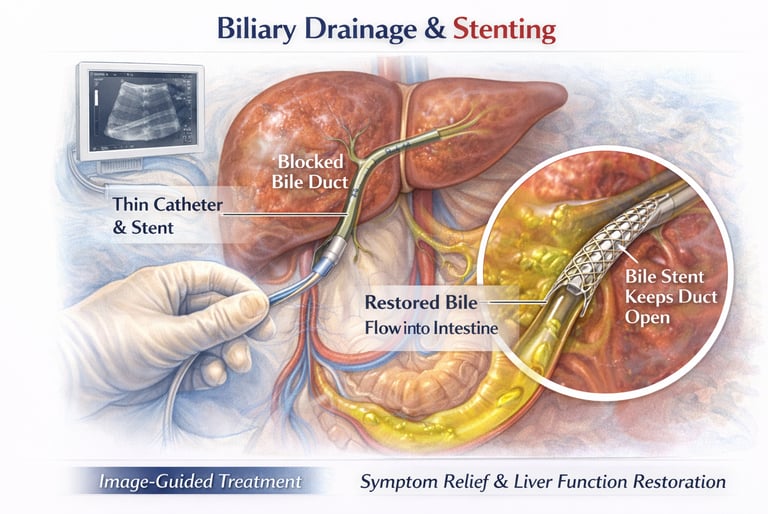
Biliary Drainage & Stenting
Blockage of the bile ducts can lead to jaundice, infection, pain, and liver dysfunction, often caused by stones, strictures, or tumours.
Biliary drainage and stenting are minimally invasive, image-guided procedures in which a thin catheter and stent are placed into the blocked bile ducts under ultrasound and fluoroscopic guidance. This restores the normal flow of bile from the liver into the intestine, relieving pressure and improving liver function.
This treatment provides rapid symptom relief, reduces the risk of infection and liver damage, avoids open surgery, and allows quicker recovery, making it an effective and safe solution for both benign and malignant biliary obstruction.
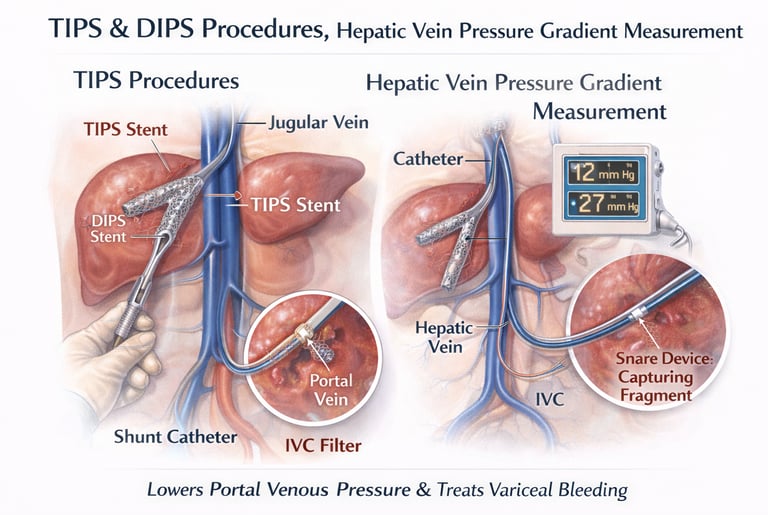
Transjugular Intrahepatic Portosystemic Shunt (TIPS) & Direct Intrahepatic Portocaval Shunt (DIPS)
Severe liver disease can lead to portal hypertension, a condition in which increased pressure within the portal vein causes ascites, variceal bleeding, and other life-threatening complications.
TIPS and DIPS are advanced, minimally invasive, image-guided procedures that create a controlled channel (shunt) within the liver to redirect blood flow from the portal vein into the systemic circulation. This reduces high portal pressure and relieves complications associated with portal hypertension when medical or endoscopic treatments are insufficient.
These procedures effectively control refractory ascites and variceal bleeding, avoid major surgery, provide rapid symptomatic relief, and improve quality of life in carefully selected patients with advanced liver disease.
🧬 Hepatobiliary & Portal Hypertension Procedures
Precision interventions for liver and portal health.
Hepatic Venous Pressure Gradient (HVPG) Measurement
Portal hypertension is a serious complication of chronic liver disease and requires accurate pressure assessment to guide effective treatment and risk stratification.
Hepatic Venous Pressure Gradient (HVPG) measurement is a minimally invasive, image-guided diagnostic procedure in which a catheter is advanced through a neck vein into the hepatic veins to directly measure portal pressure. This provides a precise assessment of the severity of portal hypertension and helps predict the risk of complications such as variceal bleeding.
HVPG measurement guides clinical decision-making, monitors response to therapy, assists in planning interventions such as TIPS, and avoids the need for surgical pressure measurement, making it the gold-standard assessment for portal hypertension.
Liver Biopsies – Percutaneous, Plug, Transjugular
Liver biopsy is a precise, image-guided procedure used to obtain small tissue samples from the liver to diagnose and stage a wide range of liver diseases, including chronic hepatitis, cirrhosis, fatty liver disease, and unexplained liver dysfunction.
Depending on the patient’s clinical condition, biopsies can be performed via percutaneous access, plug-assisted techniques to reduce bleeding risk, or the transjugular route for patients with ascites or bleeding tendencies. These minimally invasive approaches provide accurate diagnostic information with enhanced safety, minimal discomfort, and rapid recovery—often avoiding the need for surgery.
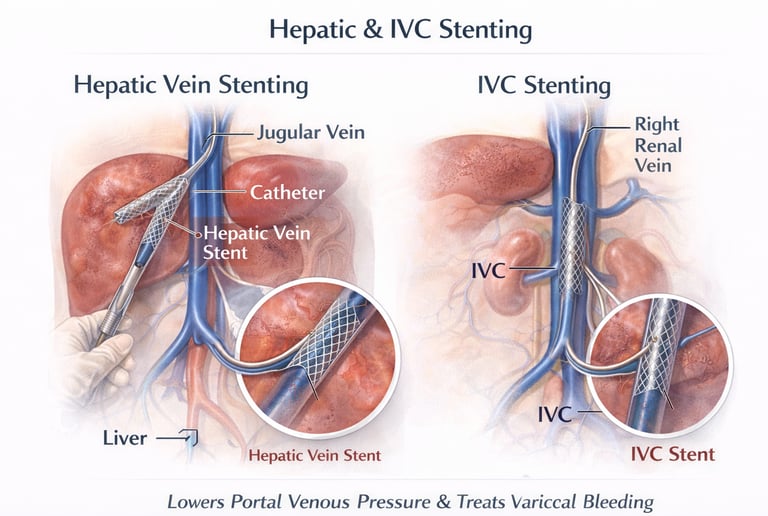
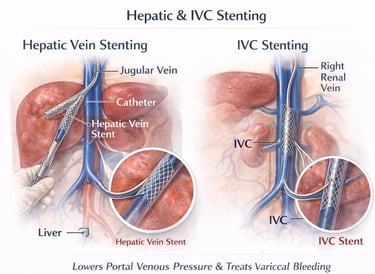
Hepatic Vein & IVC Stenting
Hepatic vein and Inferior Vena Cava (IVC) obstruction can impair liver outflow, leading to portal hypertension, ascites, liver dysfunction, and Budd–Chiari syndrome. Timely restoration of venous drainage is critical to prevent progressive liver damage.
Hepatic vein and IVC stenting is a minimally invasive, image-guided procedure in which expandable metal stents are placed to reopen narrowed or blocked veins and restore normal blood flow. This treatment provides rapid symptom relief, improves liver function, avoids major surgery, and offers durable long-term outcomes with faster recovery and reduced procedural risk.
Bronchial / Pulmonary Artery Embolization in cases of Hemoptysis
Hemoptysis (coughing up blood) can be a medical emergency, often caused by conditions such as tuberculosis, bronchiectasis, lung infections, or lung tumours, and may become life-threatening if not controlled promptly.
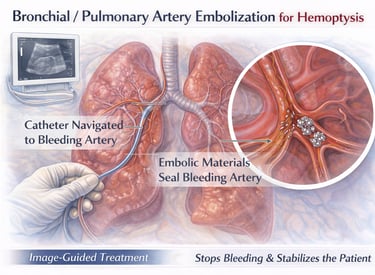
Bronchial and pulmonary artery embolization are minimally invasive, image-guided procedures in which a catheter is precisely navigated to the bleeding vessel supplying the lungs. Special embolic materials are then deployed to seal the bleeding artery, immediately stopping hemorrhage while preserving healthy lung tissue.
This treatment provides rapid, life-saving control of bleeding, avoids emergency surgery, stabilizes the patient, and allows faster recovery, making it the preferred first-line intervention for moderate to severe hemoptysis.
Transcatheter Arterial Embolization in Gastrointestinal (GI) Bleeding
Acute gastrointestinal bleeding can be sudden, severe, and life-threatening, often resulting from ulcers, tumors, vascular malformations, or post-surgical complications, and requires urgent, targeted treatment.
Transcatheter arterial embolization is a minimally invasive, image-guided procedure in which a catheter is advanced through the blood vessels to precisely identify the bleeding artery supplying the gastrointestinal tract. Embolic agents are then delivered to seal the bleeding vessel, achieving rapid hemorrhage control while preserving surrounding healthy tissue.
This approach provides effective, life-saving bleeding control, avoids emergency surgery, stabilizes critically ill patients, and enables faster recovery with reduced procedural risk, making it a cornerstone therapy in acute GI bleeding management.
🚑 Pulmonary & Emergency Bleeding Control
Rapid, life-saving control of critical bleeding.
🧪 Image Guided Access & Drainage Procedures
Targeted drainage, faster recovery.
Image‑Guided Drainage Procedures
Collections of fluid, pus, or infected material within the body can cause pain, fever, infection, and organ dysfunction and often require prompt intervention.
Image-guided drainage procedures are minimally invasive techniques in which ultrasound or CT guidance is used to precisely place a catheter into the fluid collection. This allows effective drainage while avoiding injury to surrounding organs and tissues.
These procedures provide rapid symptom relief, control infection, reduce the need for open surgery, and promote faster recovery with minimal discomfort, making them a safe and effective solution for abscesses, seromas, biliary collections, and other pathological fluid accumulations.
Tunneled Cuffed Catheter / Permacath Placement
Patients requiring long-term hemodialysis, chemotherapy, or prolonged intravenous therapy need secure, durable, and infection-resistant vascular access to support ongoing treatment.
Tunneled cuffed catheters (Permacaths) are placed using minimally invasive, image-guided techniques, typically through a neck or chest vein, with the catheter tunneled beneath the skin to reduce infection risk. The cuff allows tissue ingrowth, providing stable long-term access and minimizing catheter-related complications.
This approach ensures reliable high-flow vascular access, reduces repeated needle punctures, lowers infection risk compared to non-tunneled lines, and allows patients to continue essential therapies with comfort and safety.
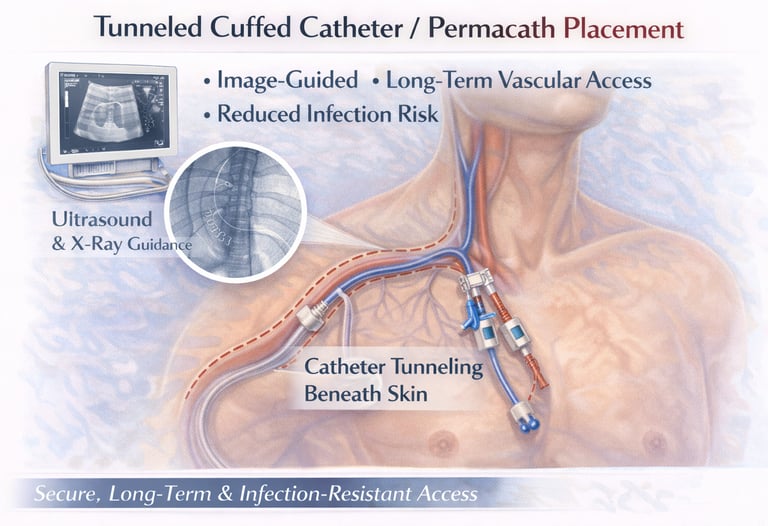
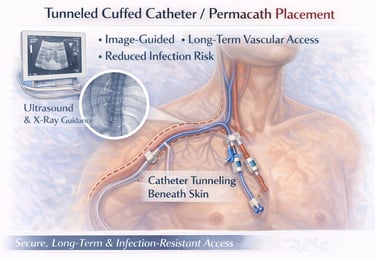
Image-guided (USG and CT guided) biopsies
Accurate diagnosis of masses, nodules, or abnormal tissue is essential for timely and appropriate treatment planning.
Image-guided biopsies are minimally invasive procedures in which ultrasound (USG) or CT imaging is used to precisely guide a fine needle into the targeted lesion to obtain tissue samples. Real-time imaging ensures accurate sampling while avoiding surrounding vital structures.
These procedures provide high diagnostic accuracy, minimize pain and complications, avoid open surgical biopsy, and allow rapid recovery, making them a safe and effective method for diagnosing cancers, infections, and other pathological conditions.