Uterine Fibroid Embolization in Pune - Dr Abhishek Bairy – Non-Surgical Fibroid Treatment
Uterine Fibroid Embolization in Pune (UFE), a minimally invasive treatment for fibroids performed by Dr Abhishek Bairy, Interventional Radiologist in Pune. UFE helps reduce heavy bleeding, pelvic pain, and pressure symptoms while preserving the uterus and ensuring faster recovery compared to surgery
Dr Abhishek Bairy
1/17/20263 min read
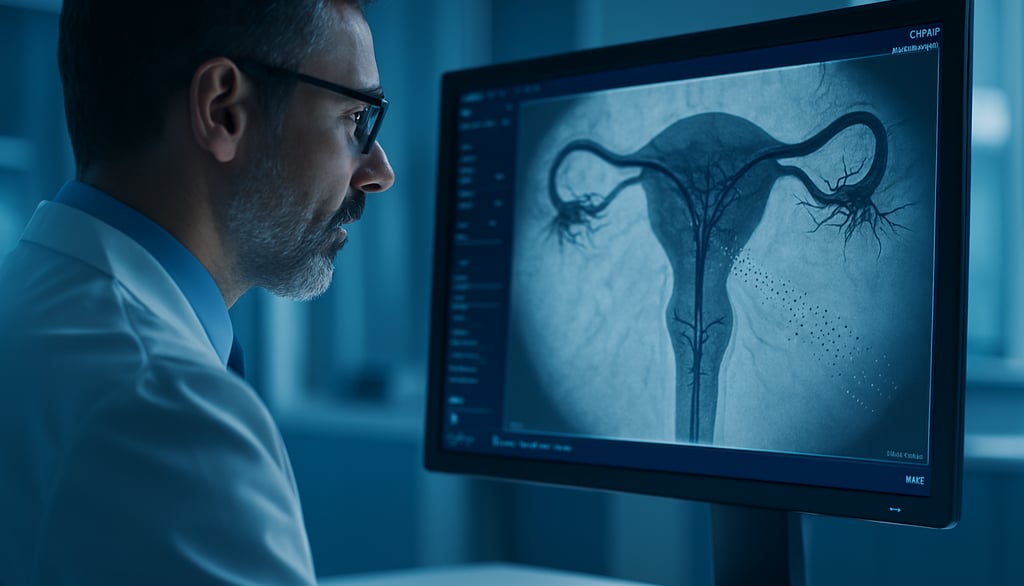
Uterine Fibroids & Uterine Fibroid Embolization (UFE)
Uterine fibroids are very common, tumours of the uterus. When we hear the word “tumour” we often think of cancer, but fibroids are generally benign (non-cancerous).
Although benign, they can cause uncomfortable symptoms such as heavy menstrual bleeding, painful periods, pelvic or back pain, frequent urination, constipation, and abdominal discomfort.
Fibroids are usually diagnosed with an ultrasound or MRI scan. Medicines may help control symptoms for some time, but they do not always provide a long-term solution.
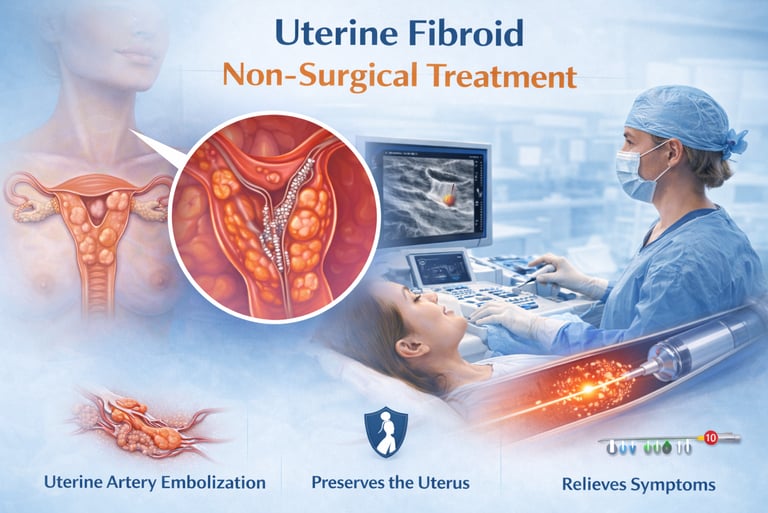
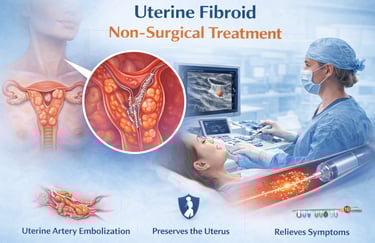
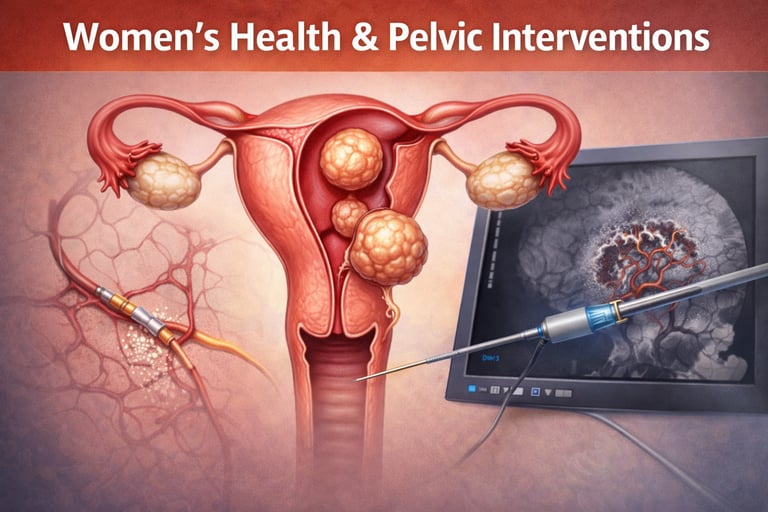
What is Uterine Fibroid Embolization (UFE)?
Uterine Fibroid Embolization (UFE) is a minimally invasive, non-surgical treatment performed by an interventional radiologist.
How does it work?
UFE decreases the size of the fibroid by reducing its blood supply. Without blood supply the fibroids gradually shrink over time.
During the procedure, a thin tube (catheter) is passed through a small puncture in the arm or leg to reach the blood vessels supplying the fibroids. Tiny particles are then injected to block these vessels.
The procedure is generally performed under local anaesthesia or light sedation so you will be awake during the procedure.
What are the benefits of UFE
No major surgery
No removal of the uterus
Small skin puncture, no stitches
Short hospital stay (usually 1–2 days)
Faster recovery compared to surgery
Most women notice improvement in heavy bleeding and pressure symptoms over the next few weeks to months.
What to Expect After UFE
In the Hospital
Cramp-like pain and pelvic discomfort are common in the first 24–48 hours
Pain medicines and anti-nausea medications are given to keep you comfortable
You may have mild fever or fatigue for a day or two
Most patients are discharged within 1–2 days
At Home: Simple Care Tips
Rest for a few days after discharge; avoid heavy work for about a week
Take prescribed painkillers and medicines regularly
Drink plenty of fluids and eat light, nutritious meals
Mild vaginal discharge or spotting can occur and usually settles on its own
Periods may be irregular initially and gradually improve
Resume normal activities slowly, as advised by your doctor
When to Contact Your Doctor
Severe or worsening pain not relieved by medicines
High fever or foul-smelling vaginal discharge
Heavy bleeding
Redness, swelling, or pain at the puncture site
Is UFE Right for You?
UFE may not be suitable for everyone. Your interventional radiologist will review your symptoms, imaging scans, and overall health to help decide the best treatment option for you.
🔹 Is UFE a surgery?
No. UFE is a minimally invasive, non-surgical procedure performed through a tiny puncture in the wrist or groin, without cuts or stitches.
🩺 Will my uterus be removed during UFE?
No. The uterus is preserved. UFE works by blocking the blood supply to fibroids, causing them to shrink naturally.
😖 Is UFE painful?
Cramp-like pain is common in the first 24–48 hours. Pain medicines are given in the hospital and prescribed for home to keep you comfortable.
🏥 How long will I need to stay in the hospital?
Most patients stay for 1–2 days and are discharged once pain and nausea are controlled.
⏱️ When can I return to normal activities?
Most patients resume light activities within 2 -3 days. Most women return to normal routine within 7–10 days.
🩸 Will my periods stop after UFE?
In most women, periods continue but become lighter and less painful. Temporary changes in cycles are common initially. Permanent loss of periods is uncommon, especially in younger women.
🤰 Can UFE affect fertility?
UFE may affect future fertility in some women, but many have conceived successfully after the procedure. If you are planning pregnancy, this should be discussed with your interventional radiologist and gynaecologist before treatment.
📉 How long does it take for fibroids to shrink?
Fibroids shrink gradually over weeks to months. Most symptom relief is noticed within 4-6 weeks, and maximum relief is usually seen by 3-6 months. Fibroids may continue to shrink slowly over 12 months. Relief from bleeding usually occurs earlier than reduction in pressure symptoms.
✂️ Are fibroids removed during UFE?
No. Fibroids are not removed, but they shrink significantly, leading to improvement in symptoms.
⚠️ Are there any risks or complications?
UFE is generally safe, but possible risks include pain, infection, bleeding, changes in periods, or rarely early menopause. Your doctor will explain these in detail before the procedure.
👨⚕️ Who performs UFE?
UFE is performed by an interventional radiologist, a doctor specially trained in image-guided, minimally invasive treatments.
❓ How do I know if UFE is right for me?
A consultation with an interventional radiologist is needed. Your symptoms, scans (ultrasound/MRI), age, and future pregnancy plans are all considered.