World Hypertension Day 2026 - 17 May 2026
World Hypertension Day 2026 highlights the dangers of high blood pressure, early detection, lifestyle prevention, and advanced minimally invasive hypertension treatments.
Dr Abhishek Bairy
5/17/20264 min read

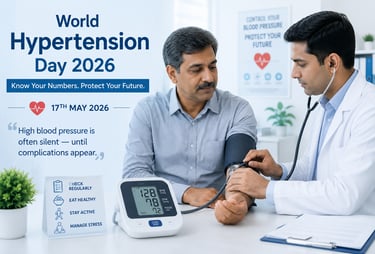
World Hypertension Day 2026
Know Your Numbers. Protect Your Future.
High blood pressure is often silent — until complications appear..
High blood pressure doesn’t announce itself. It doesn’t cause pain. It doesn’t slow you down — until it does.
That’s why hypertension is often called the “silent killer.”
On this World Hypertension Day, the message is simple yet powerful:
👉 Know your blood pressure, understand your risk, and take control early.
Millions of people live with hypertension without realizing it. Many feel completely normal while silent damage continues to affect vital organs over time.
A simple blood pressure check can save lives.
What is Hypertension?
Hypertension occurs when the force of blood against the artery walls remains consistently high over time. This constant pressure gradually affects the heart, brain, kidneys, and blood vessels throughout the body.
Why Hypertension Matters
Unchecked hypertension can lead to heart attack, stroke, kidney damage, long-term vascular disease, heart failure, and vision problems.

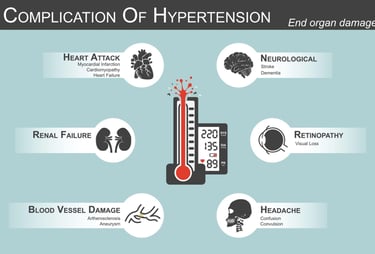
Long-standing hypertension can silently damage multiple organs.
The Hidden Problem
Most people with high blood pressure don’t know they have it. Many feel completely healthy and only discover it after complications arise.
👉 A simple BP check today can prevent years of future damage.
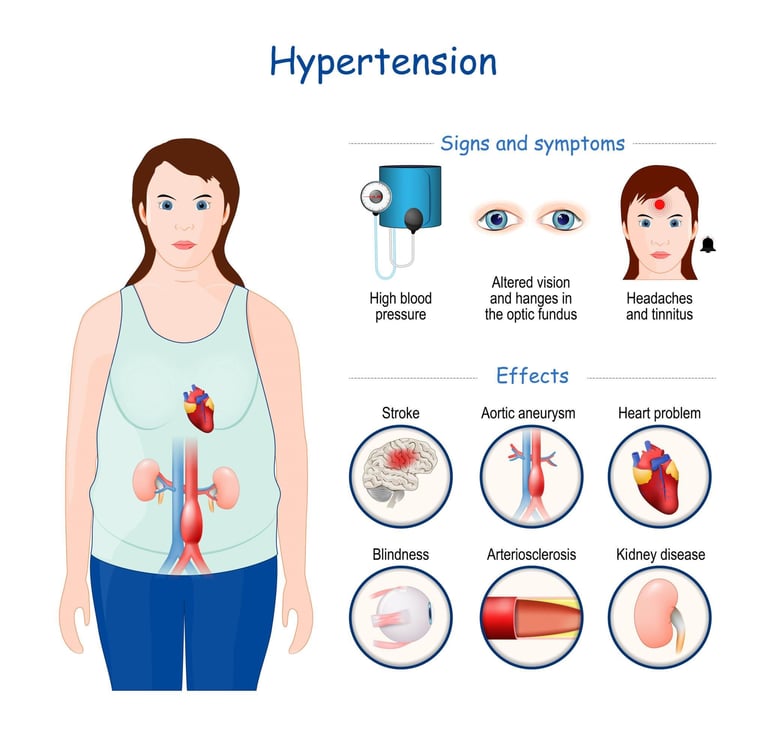
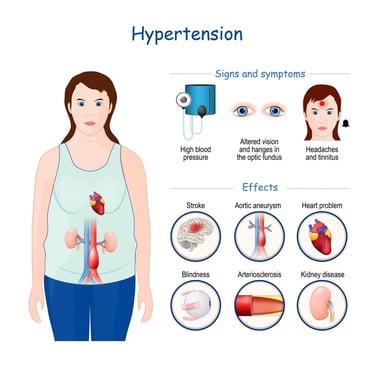
Many patients remain unaware of hypertension until complications develop.
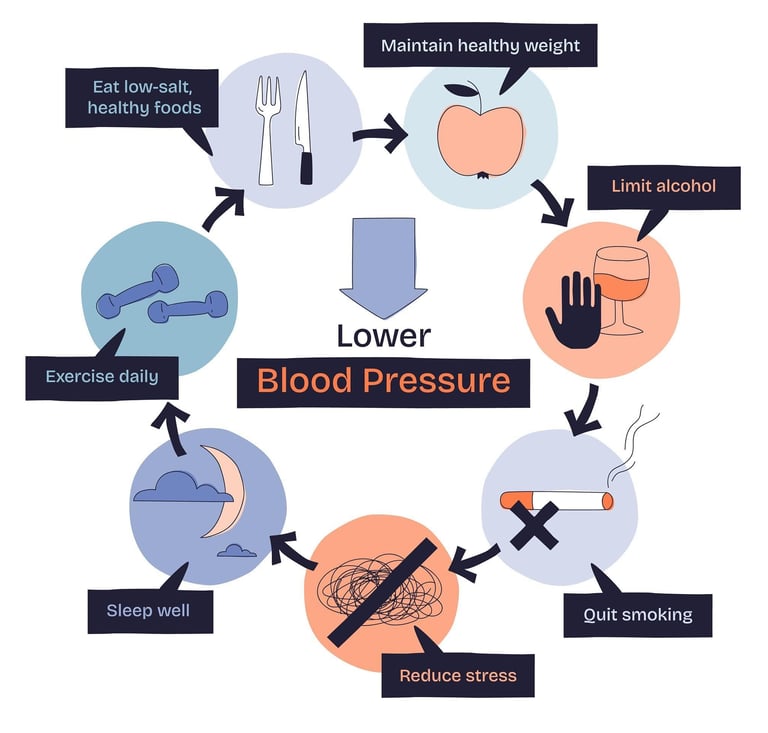
Simple lifestyle changes can significantly reduce blood pressure risks
What You Can Do Today
The good news is that hypertension can often be prevented or controlled through lifestyle measures and timely treatment.
· Reducing salt intake
· Staying physically active
· Managing stress
· Maintaining a healthy weight
· Getting adequate sleep
· Avoiding smoking and excessive alcohol
· Monitoring blood pressure regularly
When Blood Pressure Becomes Difficult to Control
For some patients, blood pressure remains high despite multiple medications, lifestyle changes, and regular treatment. This is known as Resistant Hypertension.
Interventional Radiology and Hypertension
Modern medicine now offers advanced, minimally invasive ways to diagnose and manage selected cases of hypertension.

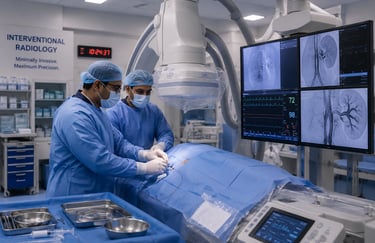
Advanced image-guided procedures help diagnose and treat selected hypertension cases.
Interventional Radiology (IR) plays an important role not only in treatment, but also in identifying specific causes of uncontrolled hypertension.
🔍 Identifying Treatable Causes
Some forms of hypertension are due to specific, correctable problems like:
Narrowing of kidney arteries (Renal Artery Stenosis)
Hormonal causes such as Primary Hyperaldosteronism
IR helps by:
performing angiography to visualize blood vessels
doing adrenal vein sampling to pinpoint hormone imbalance
👉 These tests help identify patients who may benefit from targeted treatment.
⚙️ Minimally Invasive Treatments
In select cases, IR can help treat hypertension through procedures like:
Renal artery angioplasty/stenting (to improve blood flow to kidneys)
These are:
minimally invasive
image-guided
performed without major surgery
Renal Angioplasty & Stenting
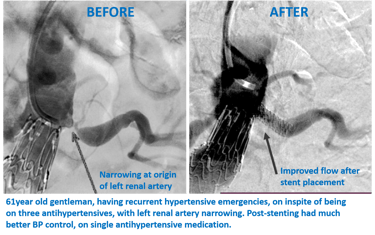
In some patients, hypertension develops because of narrowing of the arteries supplying the kidneys — a condition known as Renal Artery Stenosis.


How the Procedure Works:
· A thin catheter is passed through a blood vessel
· The narrowed renal artery is identified
· A balloon is used to open the narrowing
A stent is placed to keep the artery open
Renal angioplasty helps restore blood flow in selected patients with renal artery stenosis.
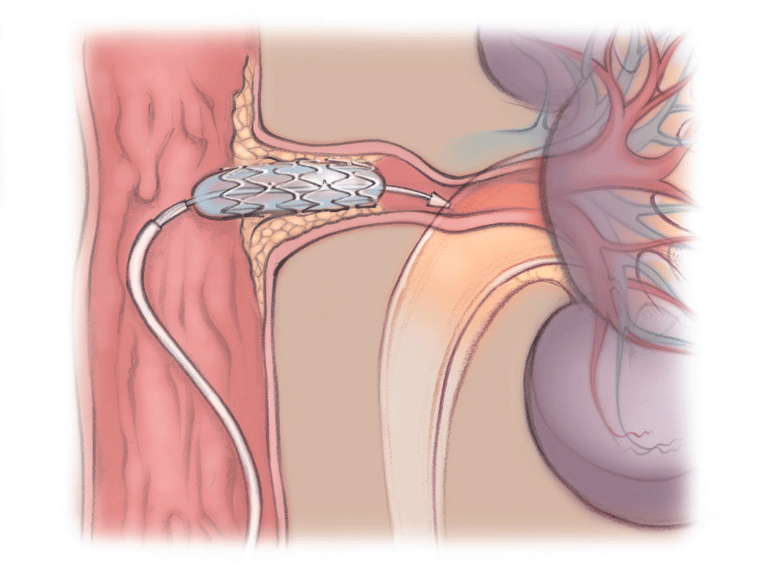
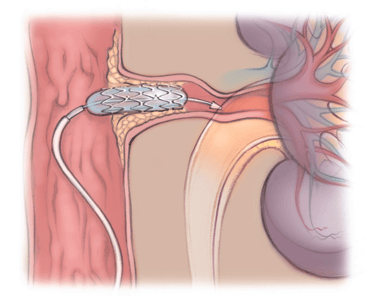
A minimally invasive stenting procedure used to improve blood flow to the kidney.
Who May Benefit?
This procedure may be considered in patients with:
· Resistant hypertension
· Sudden worsening of blood pressure
· Kidney dysfunction related to poor blood flow
· Significant renal artery narrowing on imaging
Potential Benefits
· Improved blood flow to the kidneys
· Better blood pressure control in selected patients
· Preservation of kidney function
· Minimally invasive treatment without major surgery
Important to Remember
· Not every patient with hypertension needs this procedure
· Careful evaluation is essential
· Treatment decisions are individualized
· Early diagnosis improves outcomes
🔍 When High Blood Pressure Has a Treatable Cause
Some patients have hypertension due to narrowing of the kidney arteries — Renal Artery Stenosis.
In these cases, simply adding more medications may not be enough.
👉 A targeted, minimally invasive procedure called renal angioplasty and stenting can help restore blood flow to the kidney.
What it does:
Opens up the narrowed artery
Improves kidney blood supply
May help better control blood pressure
Who should consider evaluation?
Blood pressure difficult to control despite multiple medicines
Sudden worsening of hypertension
Unexplained decline in kidney function
💡 Not everyone needs this—but in the right patient, it can be a game-changer.
Quick Patient FAQ
Is renal angioplasty a common treatment for hypertension?
No. Most patients are managed with lifestyle changes and medications. This procedure is reserved for selected cases.
Is this major surgery?
No. It is a minimally invasive procedure performed through a small puncture.
Will blood pressure become completely normal afterward?
Some patients experience significant improvement, while others may still require medications.
How long is recovery?
Most patients are discharged the same day or the next day.
Final Message
High blood pressure is common, silent, and potentially dangerous — but it is also manageable.
👉 Know Your Numbers. Protect Your Future.